
Cryotherapy vs Cold Plunge: Which Is Actually Better?
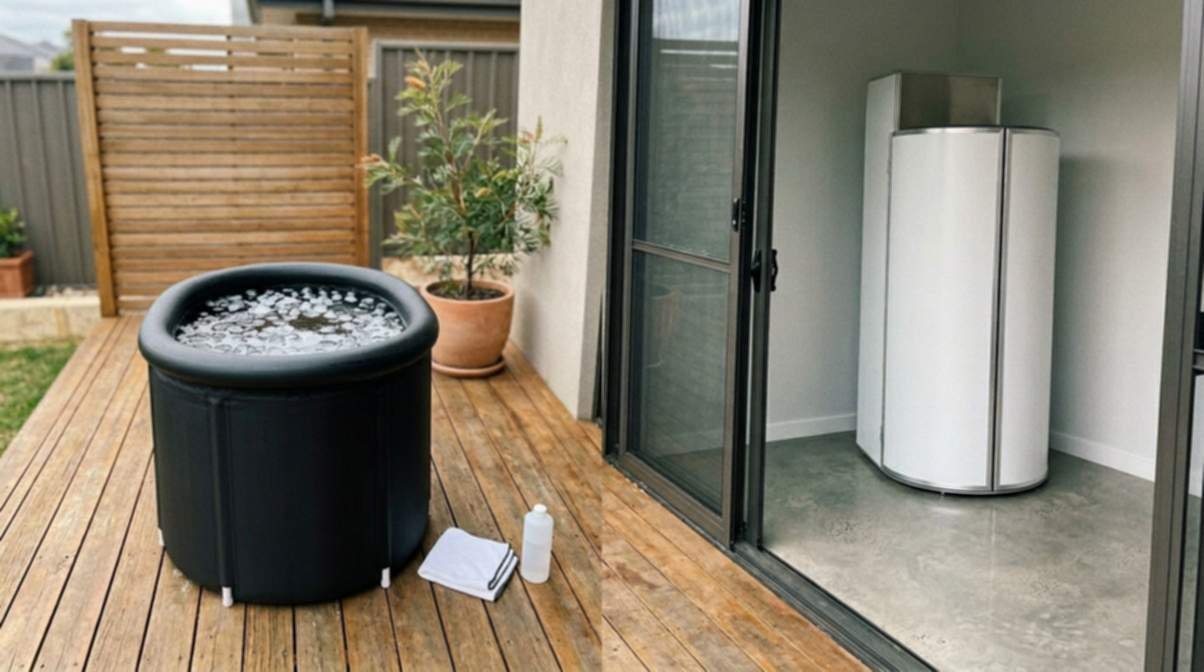
Whole-body cryotherapy versus cold water immersion. Cryo is colder on paper, but head-to-head studies consistently favour cold water for athletic recovery.
 Bobby Rawat
Whole-body cryotherapy versus cold water immersion. Cryo is colder on paper, but head-to-head studies consistently favour cold water for athletic recovery.
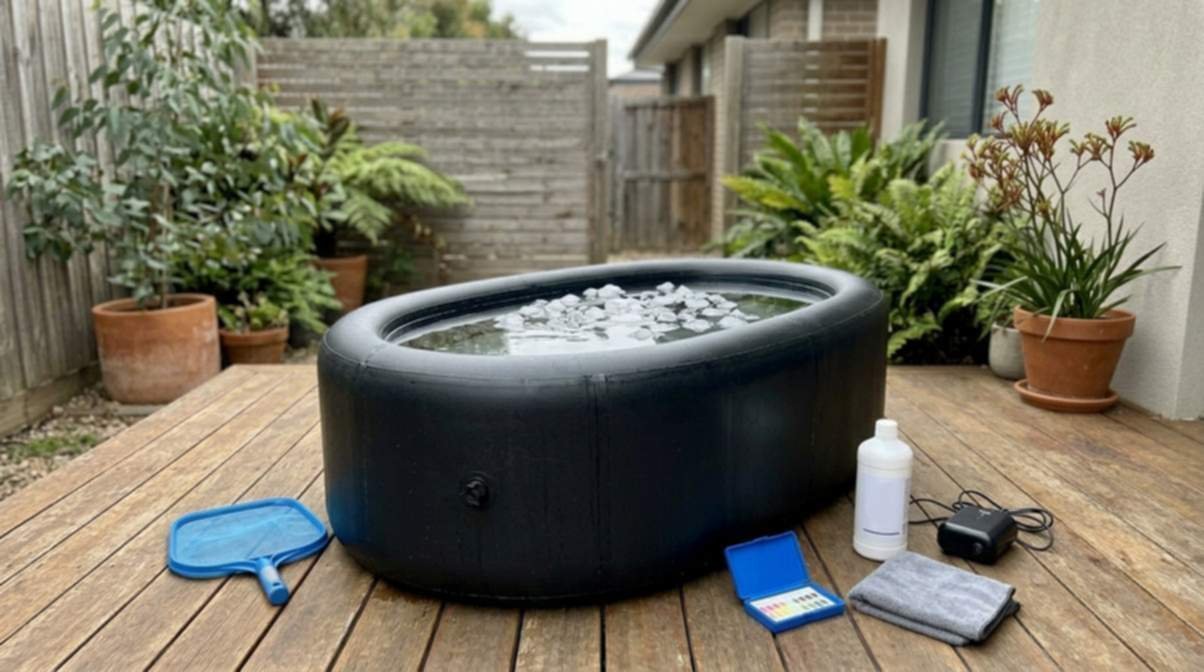
How to keep cold plunge water clean: filtration, UV or ozone, and the small amount of chemical sanitiser that keeps a home tub safe between changes.
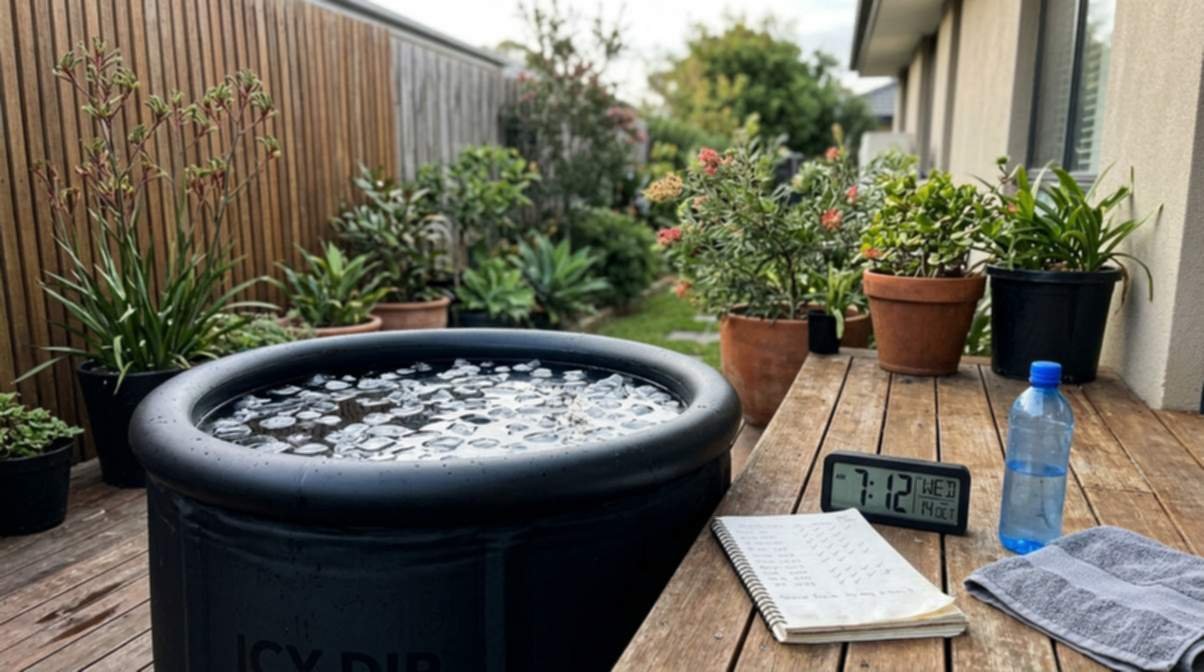
How often to cold plunge. Two to four sessions a week around 10-15°C, totalling roughly 11 minutes of cold exposure, is the range the research supports.
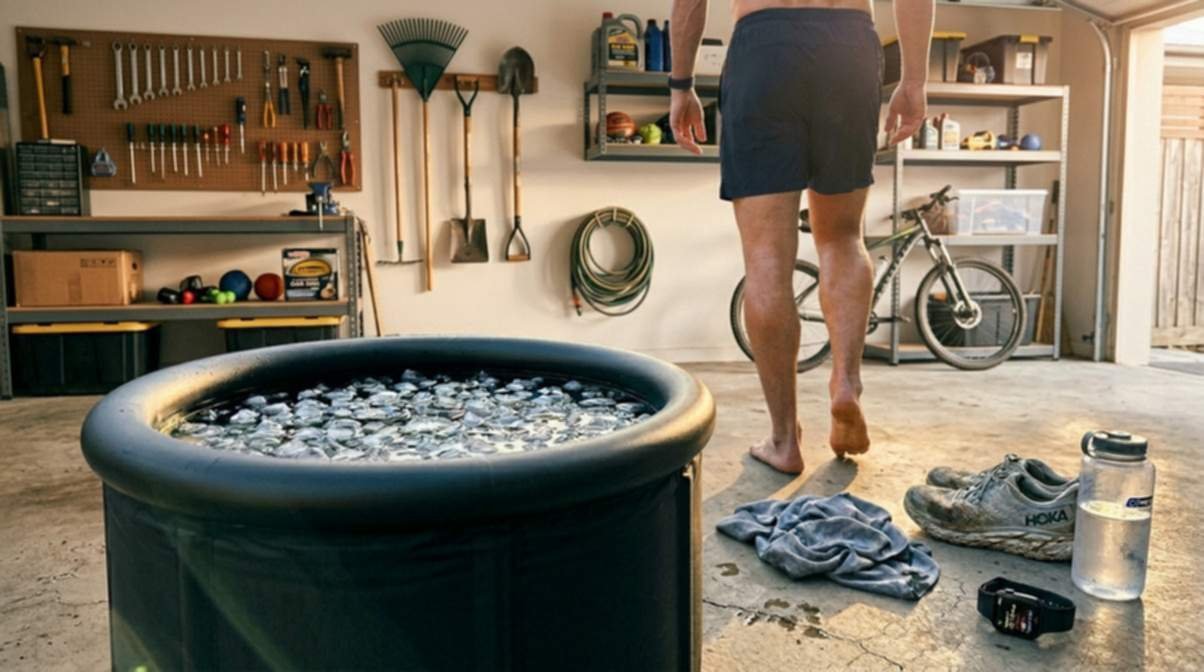
Whether to plunge before or after training. Wait 4-6 hours after strength work to avoid blunting muscle growth; within 30-60 minutes is fine for endurance recovery.
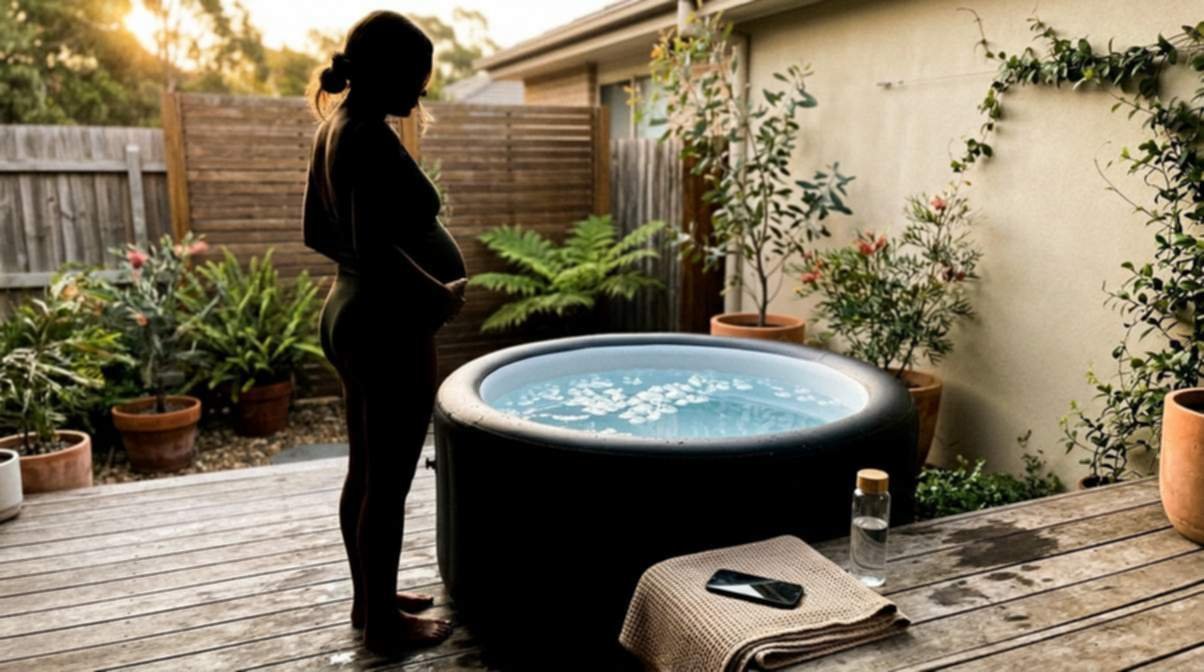
Whether cold water immersion is safe during pregnancy, what changes physiologically, and why this is a conversation to have with your midwife or GP first.
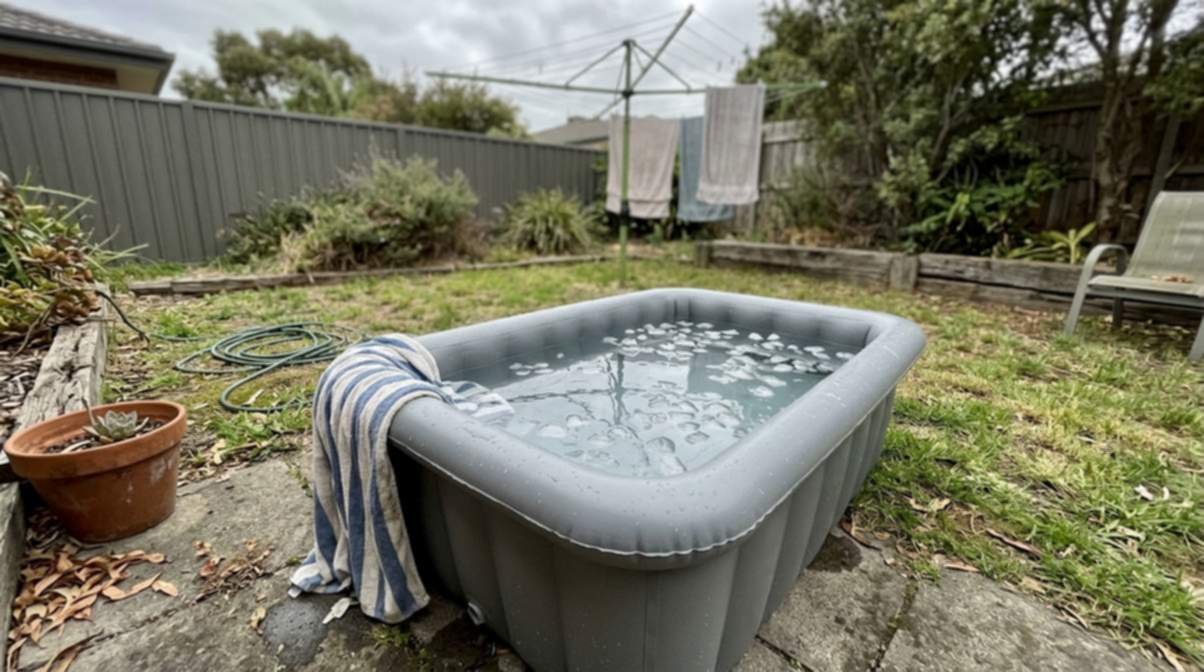
What the research shows on cold water for anxiety and depression — a large noradrenaline and dopamine response, promising early findings, and why it complements rather than replaces treatment.
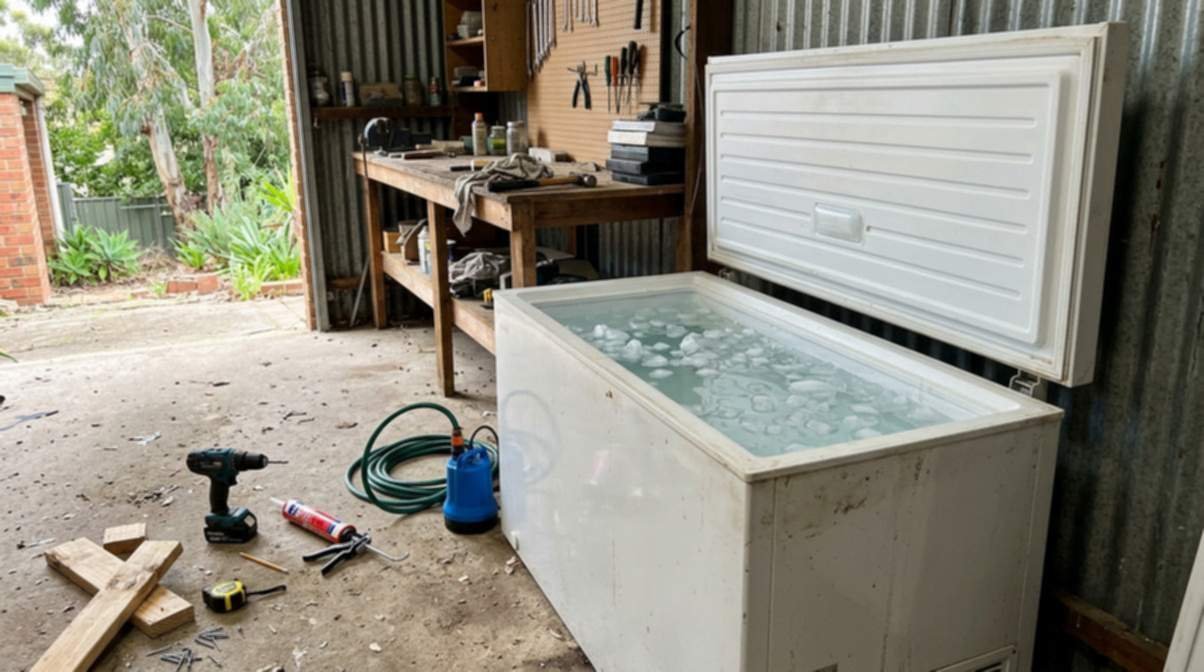
How to build your own cold plunge, from a bathtub and ice to a chest freezer conversion. Costs, waterproofing, temperature control and the electrical safety that matters.
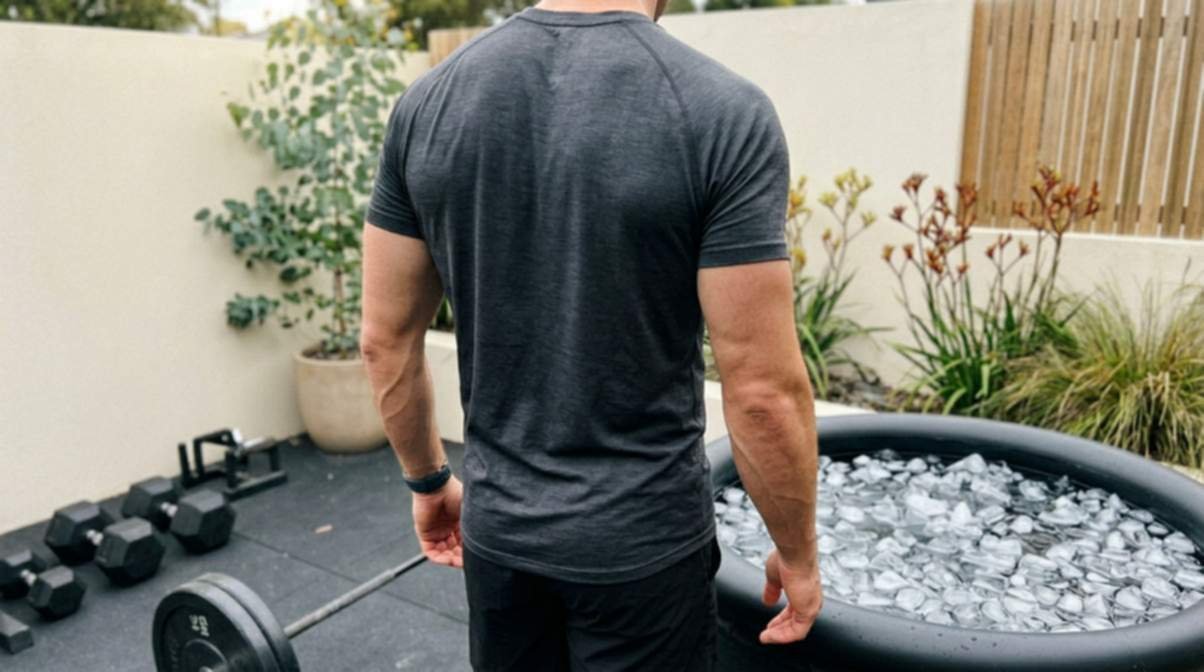
Cold plunging straight after resistance training can blunt hypertrophy. What the meta-analysis found, the mechanism behind it, and the simple timing fix.
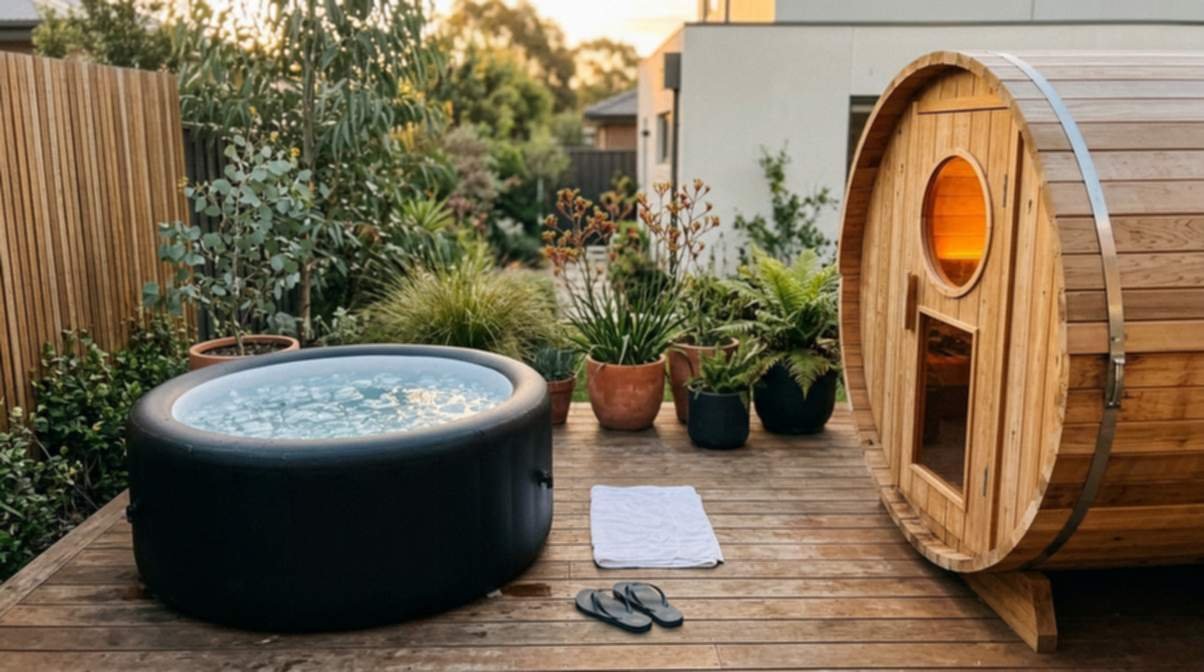
How to run sauna and cold plunge as contrast therapy: heat first, then cold, repeated over two to three rounds, with the durations and temperatures the research uses.
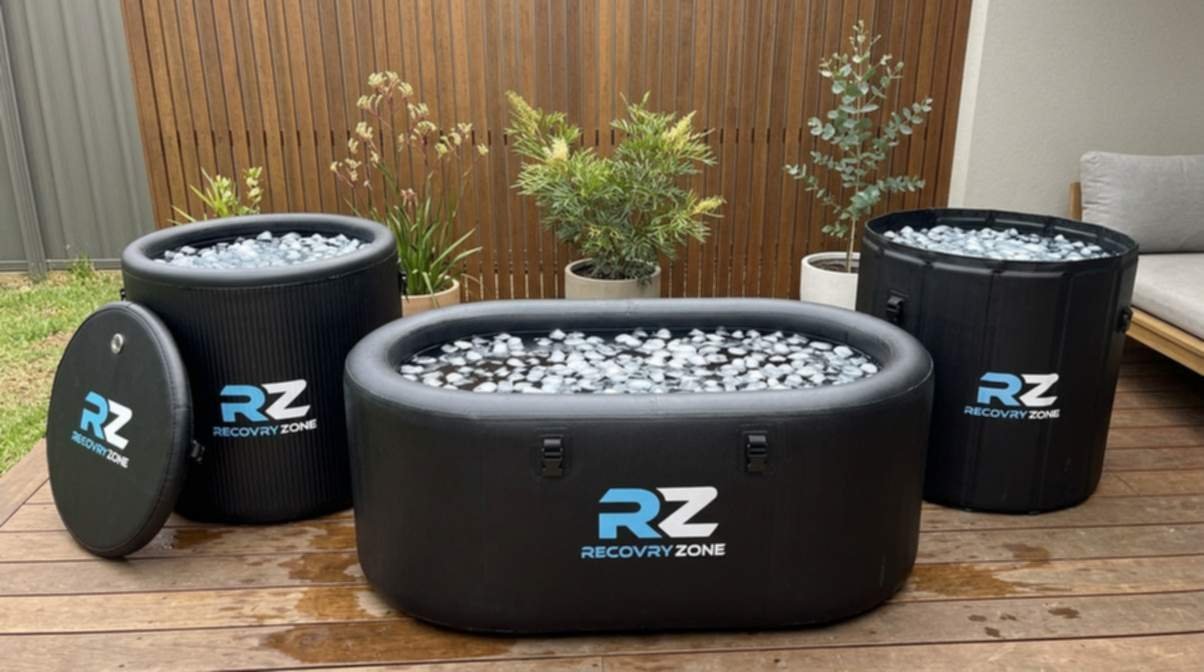
Recovery Zone’s volume-selling ice bath reviewed for Australian buyers, covering build, insulation and what owners actually report after the first few months of use.