
Infrared Sauna Vs Cold Plunge
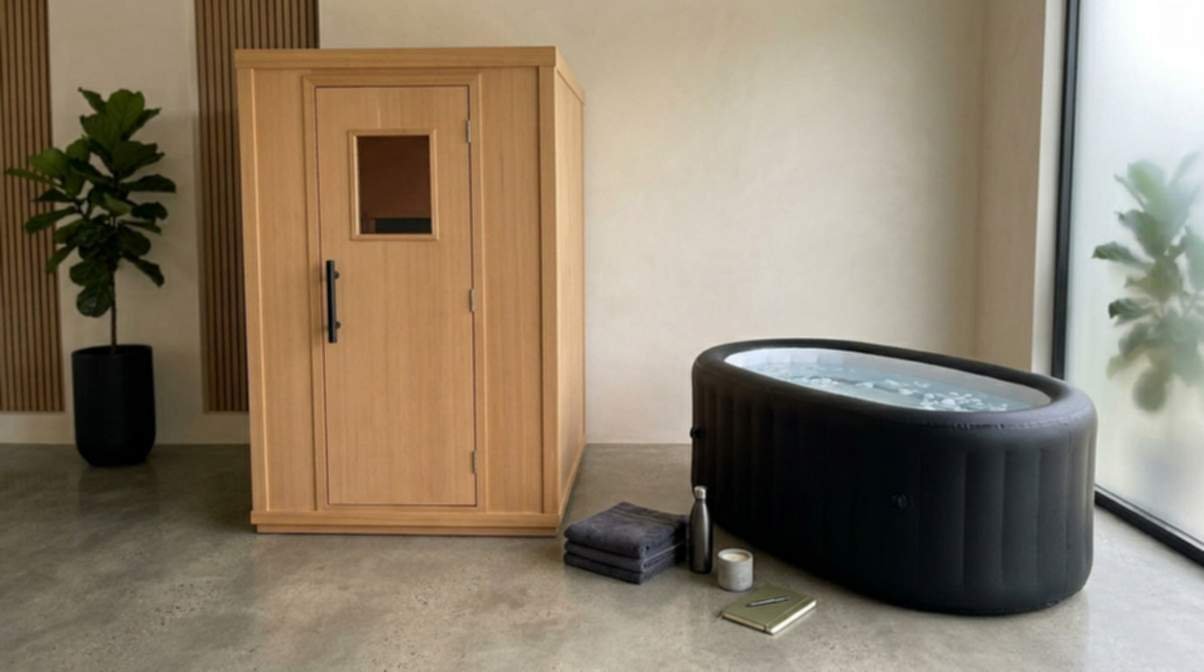
Infrared sauna versus cold plunge for recovery. The one direct head-to-head trial favoured cold water for strength recovery in trained runners — here’s what each tool is actually good for.
 Bobby Rawat
Infrared sauna versus cold plunge for recovery. The one direct head-to-head trial favoured cold water for strength recovery in trained runners — here’s what each tool is actually good for.
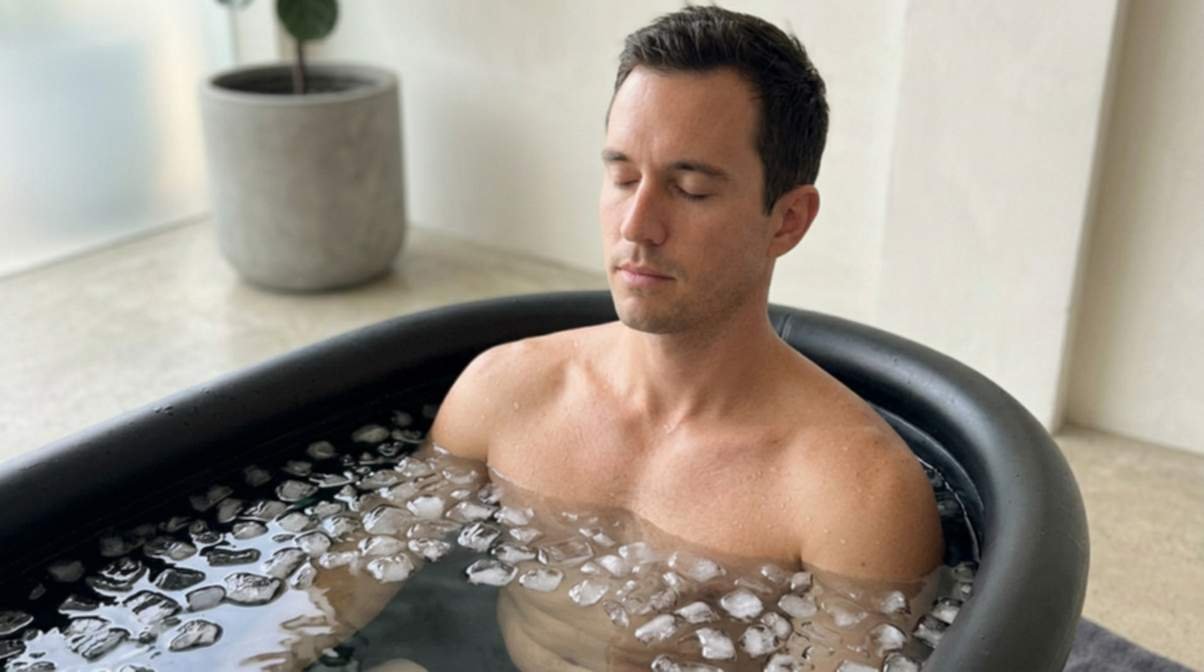
Whether cold plunges raise testosterone. Three controlled studies measured it directly and all found a drop or a blunted post-exercise rise — the opposite of the popular claim.
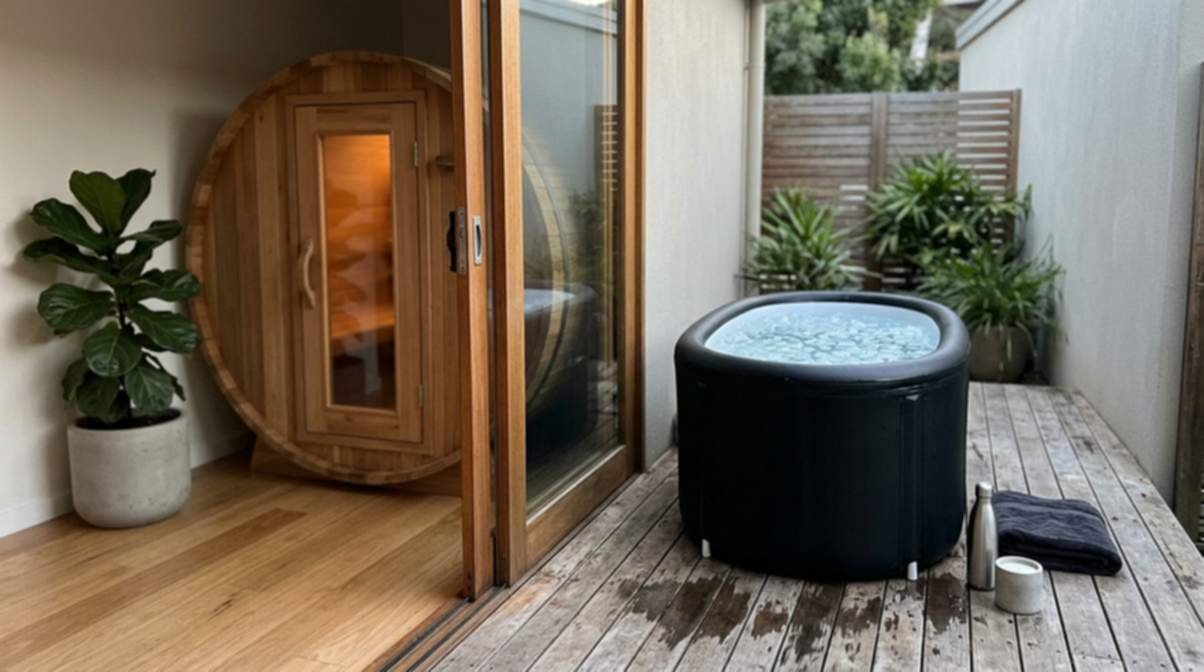
When to sauna and when to cold plunge, depending on whether you’re chasing focus, endurance recovery, strength adaptation or sleep. Includes the timing windows and temperatures the research supports.
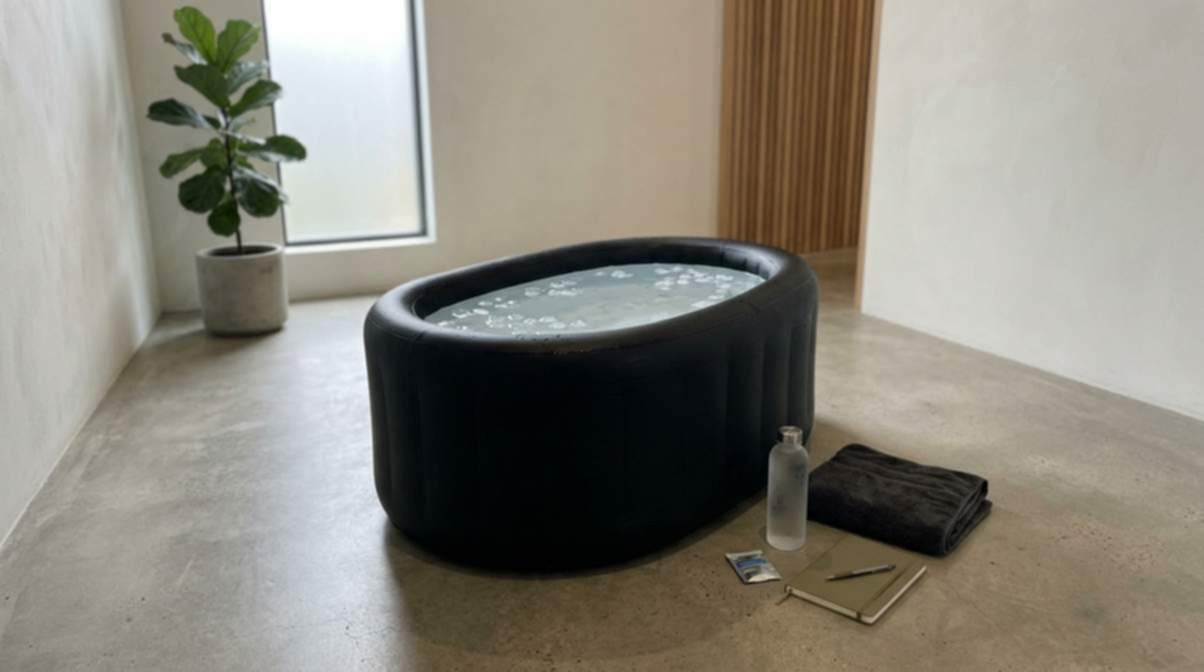
Cold plunges raise blood pressure in the short term rather than lowering it, and the best available meta-analysis found no consistent long-term reduction. What that means if you have hypertension.
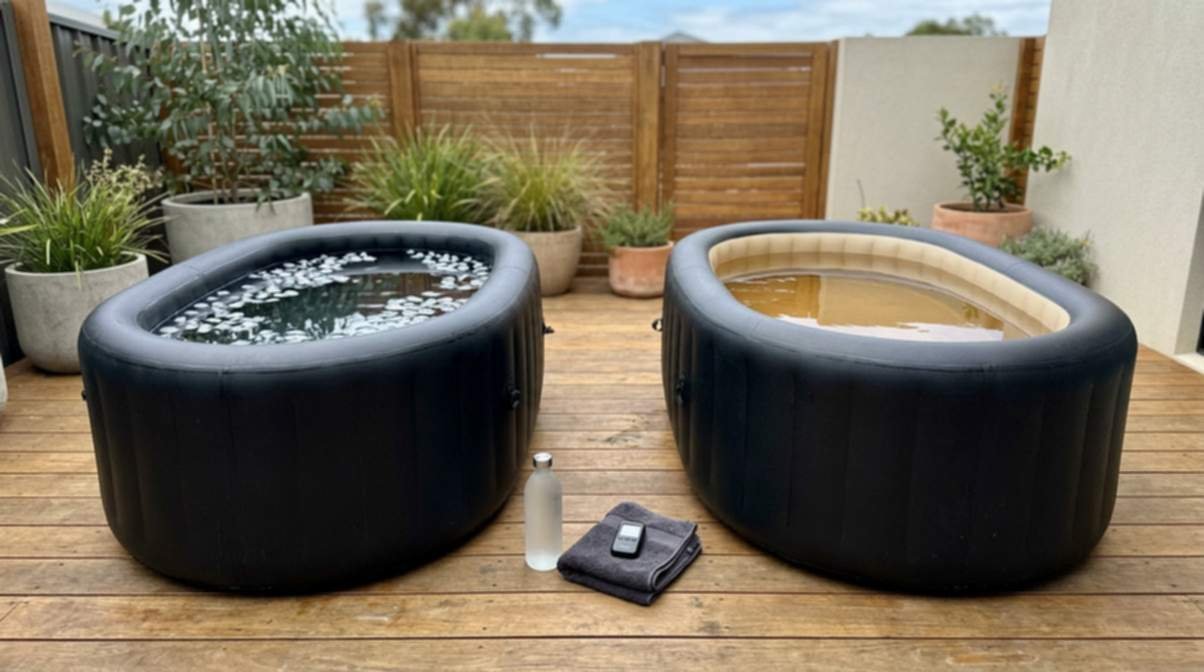
Whether to use hot and cold together. Contrast water therapy alternates the two, and the researched protocols are more specific than most people assume.
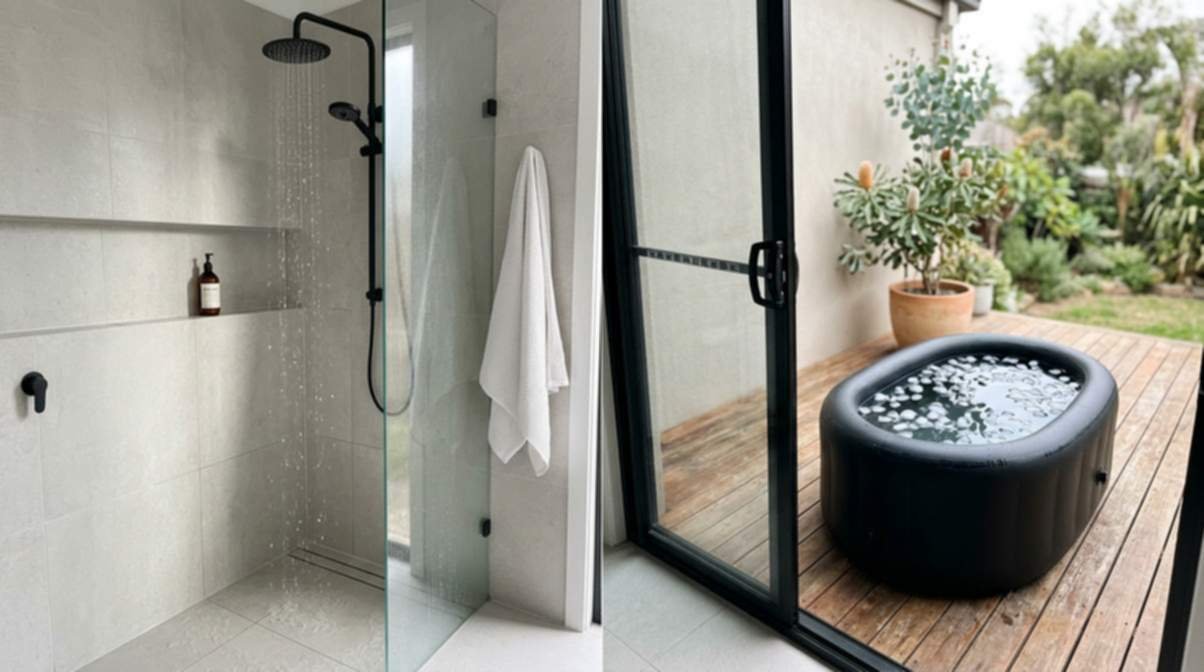
Cold shower versus cold plunge, compared on temperature, dose and what the research actually measured. A cold shower rarely reaches the range the studies used.
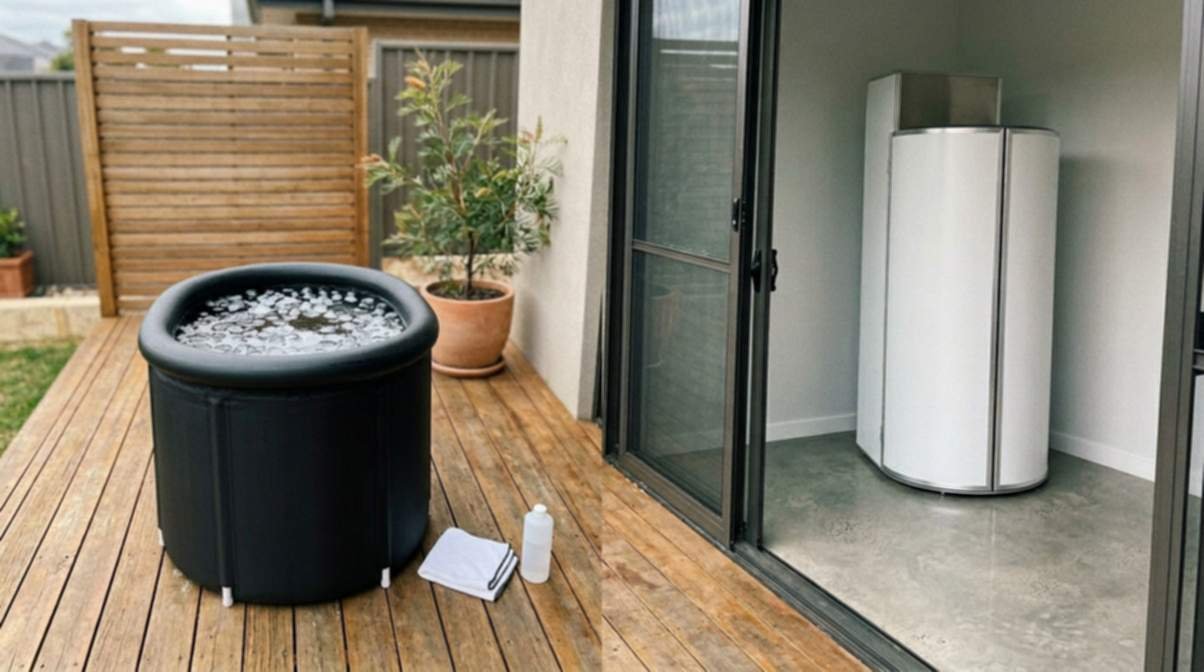
Whole-body cryotherapy versus cold water immersion. Cryo is colder on paper, but head-to-head studies consistently favour cold water for athletic recovery.
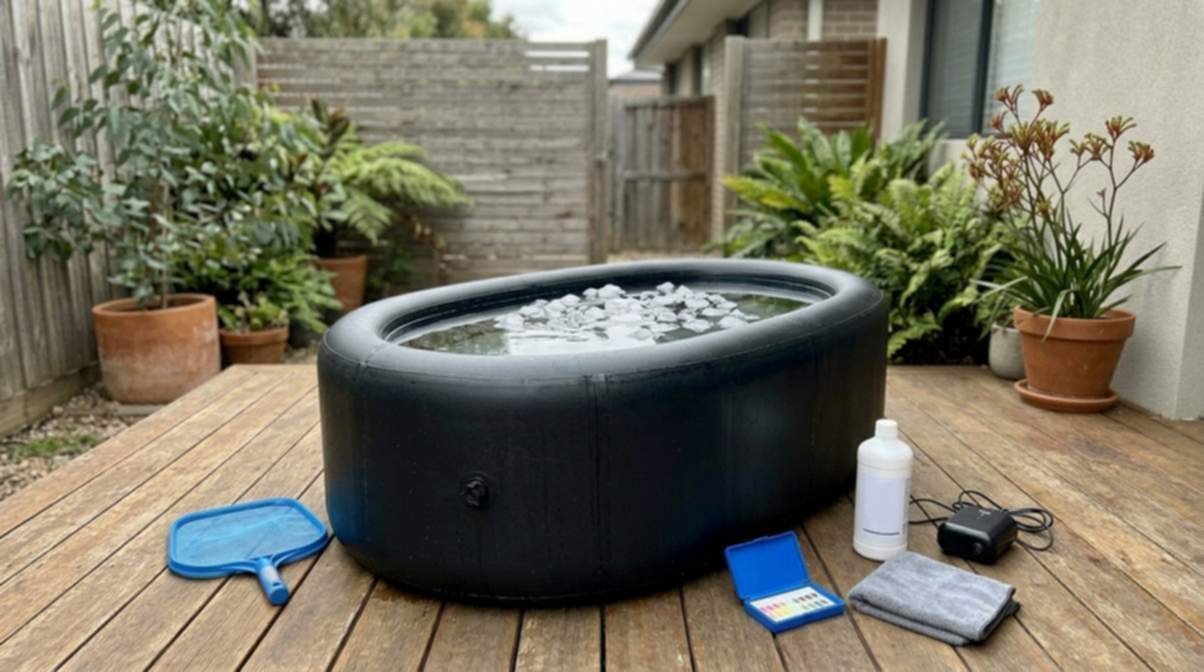
How to keep cold plunge water clean: filtration, UV or ozone, and the small amount of chemical sanitiser that keeps a home tub safe between changes.
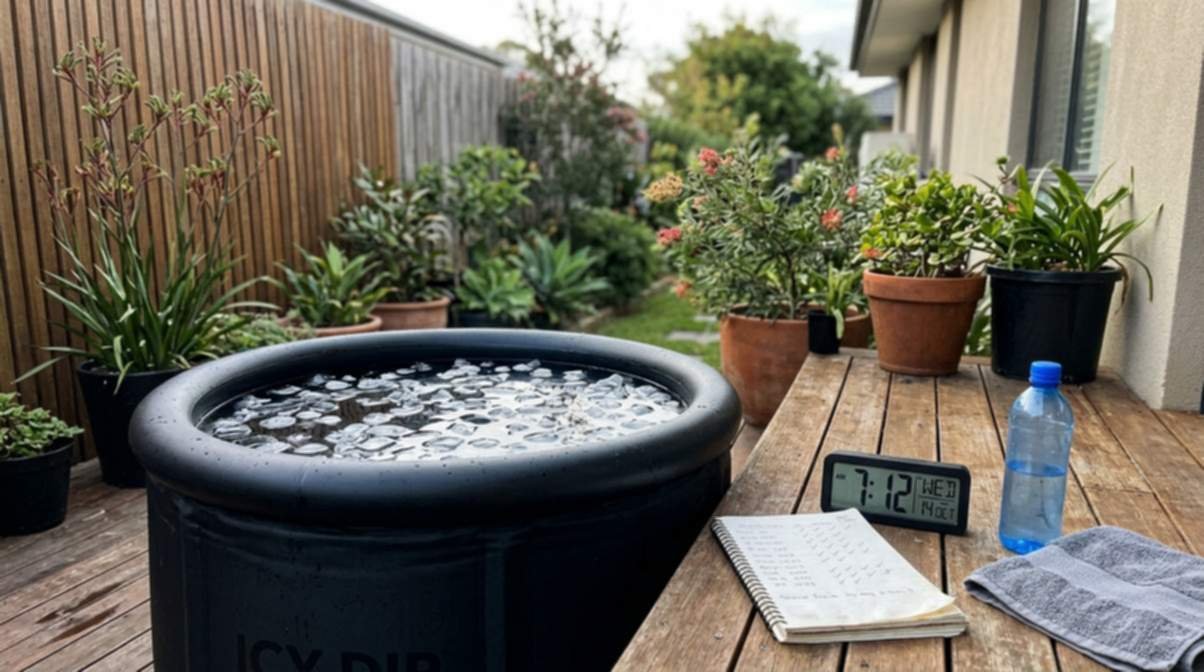
How often to cold plunge. Two to four sessions a week around 10-15°C, totalling roughly 11 minutes of cold exposure, is the range the research supports.
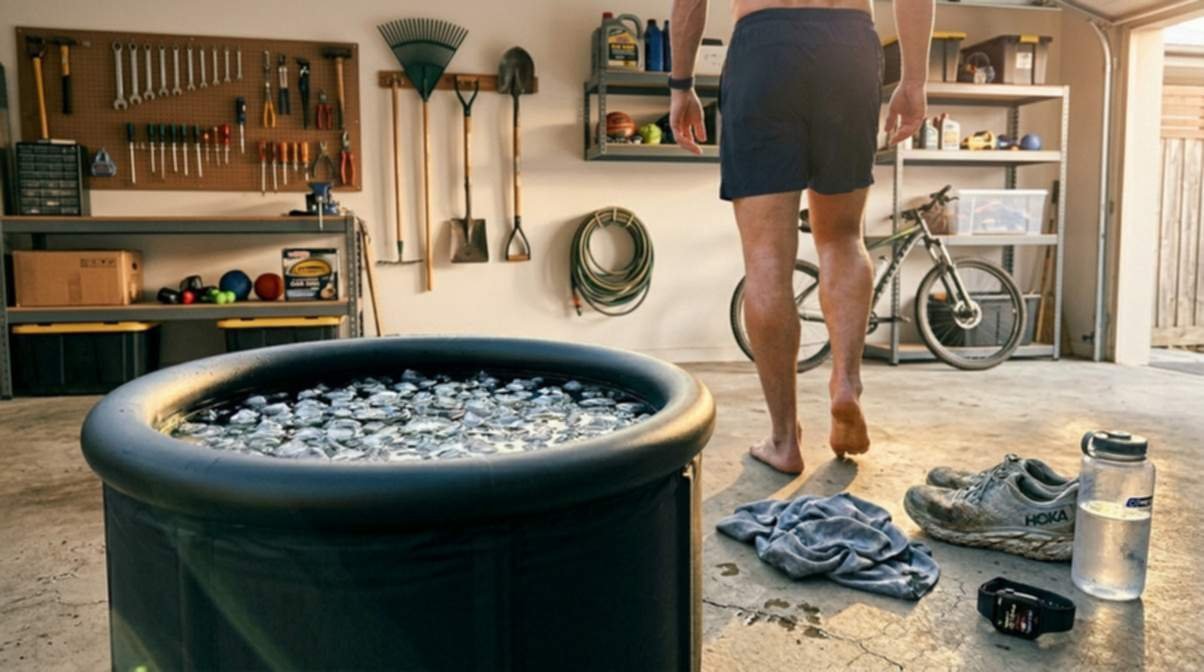
Whether to plunge before or after training. Wait 4-6 hours after strength work to avoid blunting muscle growth; within 30-60 minutes is fine for endurance recovery.