
How Often Should You Cold Plunge? (Frequency Guide)
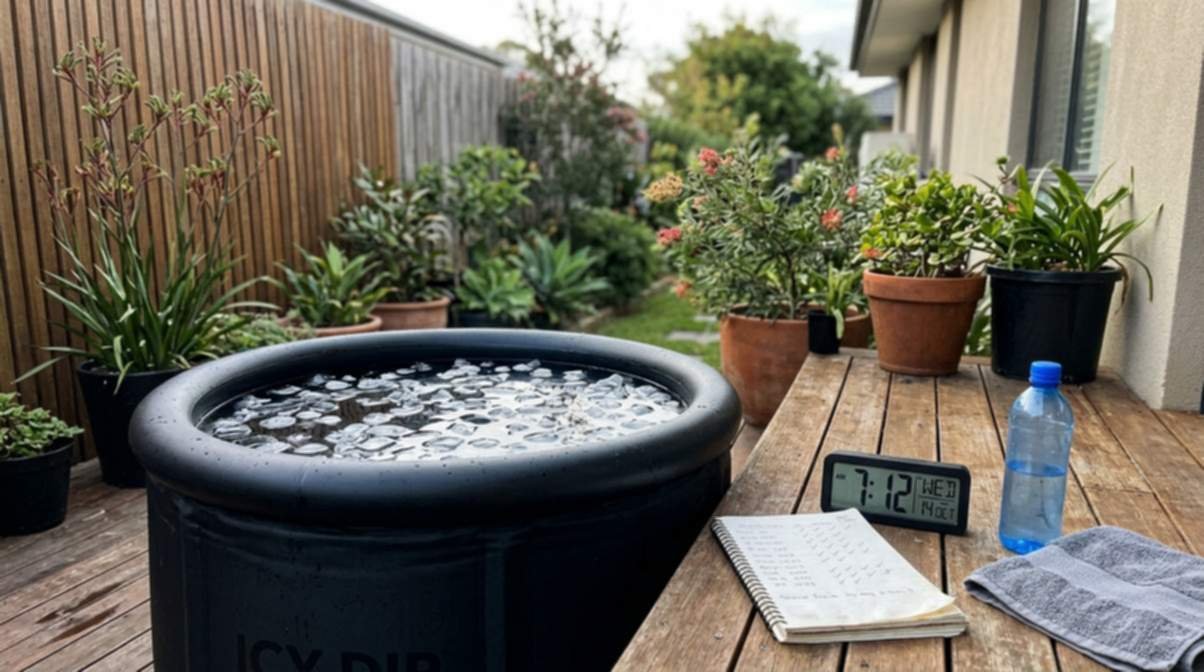
How often to cold plunge. Two to four sessions a week around 10-15°C, totalling roughly 11 minutes of cold exposure, is the range the research supports.
Practical cold plunge guidance written for Australian conditions — how cold the water should be, how long to stay in, how often to plunge, and what a chiller actually adds to your power bill. Health claims link to the research behind them.
How often to cold plunge. Two to four sessions a week around 10-15°C, totalling roughly 11 minutes of cold exposure, is the range the research supports.
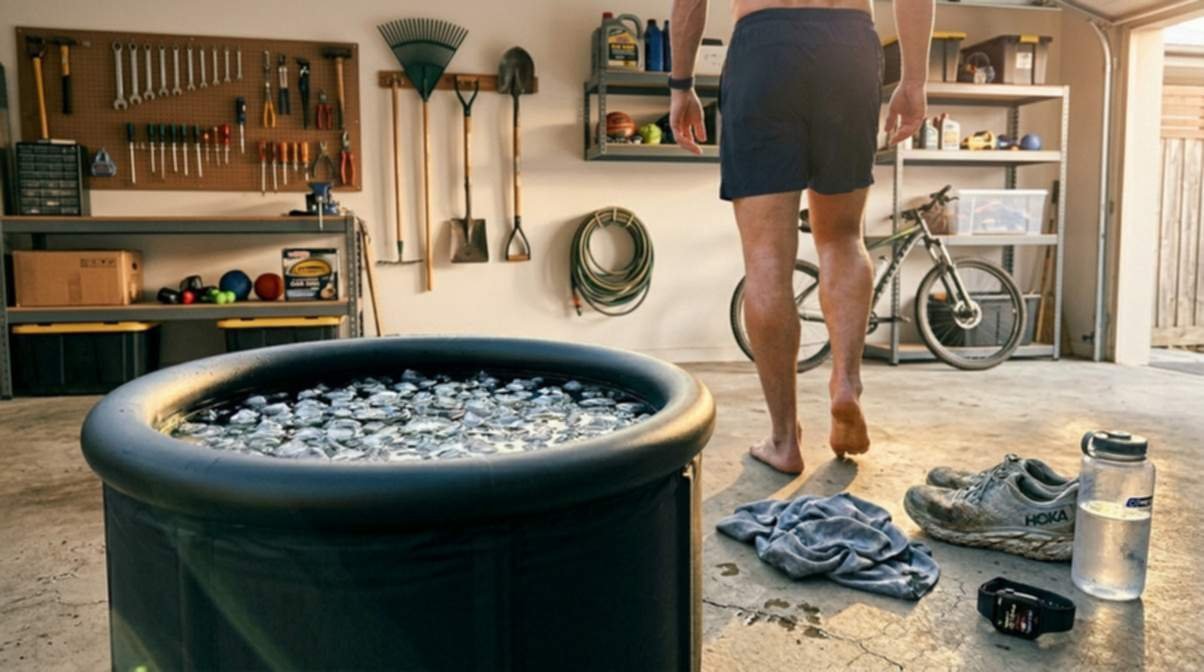
Whether to plunge before or after training. Wait 4-6 hours after strength work to avoid blunting muscle growth; within 30-60 minutes is fine for endurance recovery.
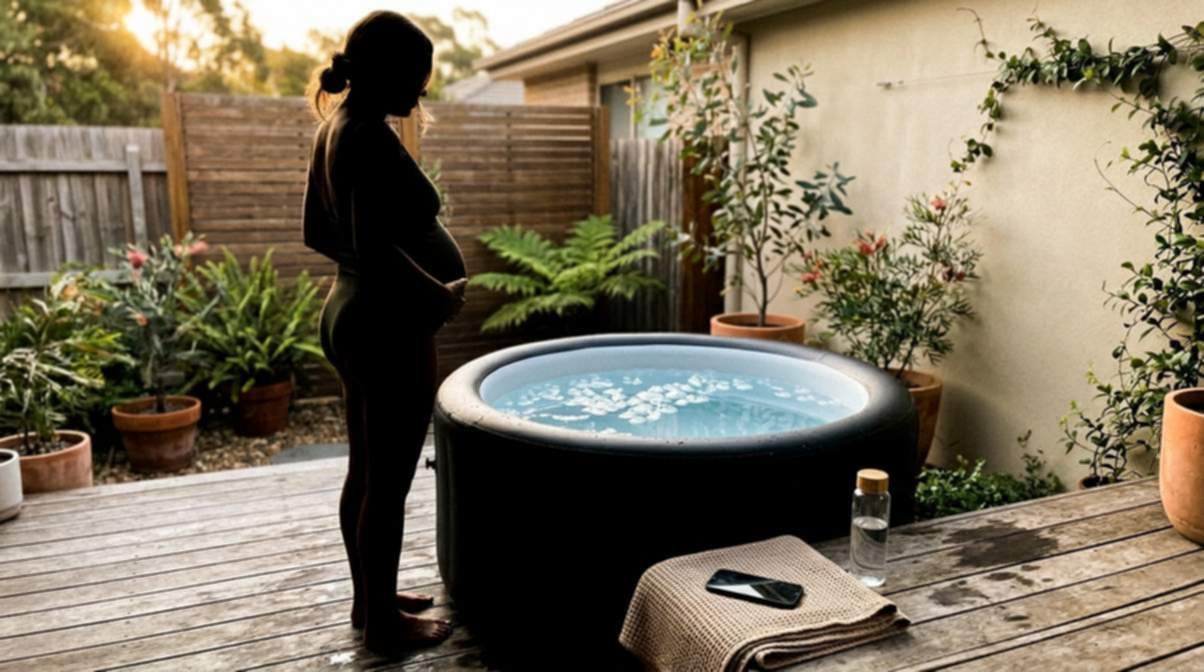
Whether cold water immersion is safe during pregnancy, what changes physiologically, and why this is a conversation to have with your midwife or GP first.
What the research shows on cold water for anxiety and depression — a large noradrenaline and dopamine response, promising early findings, and why it complements rather than replaces treatment.
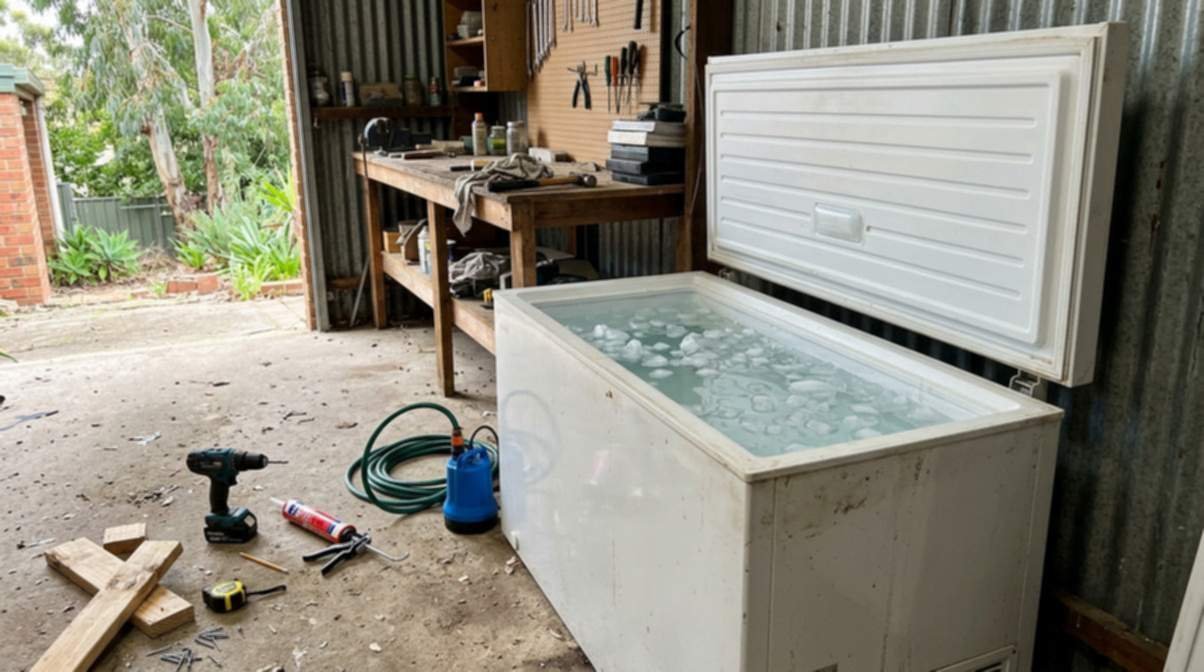
How to build your own cold plunge, from a bathtub and ice to a chest freezer conversion. Costs, waterproofing, temperature control and the electrical safety that matters.
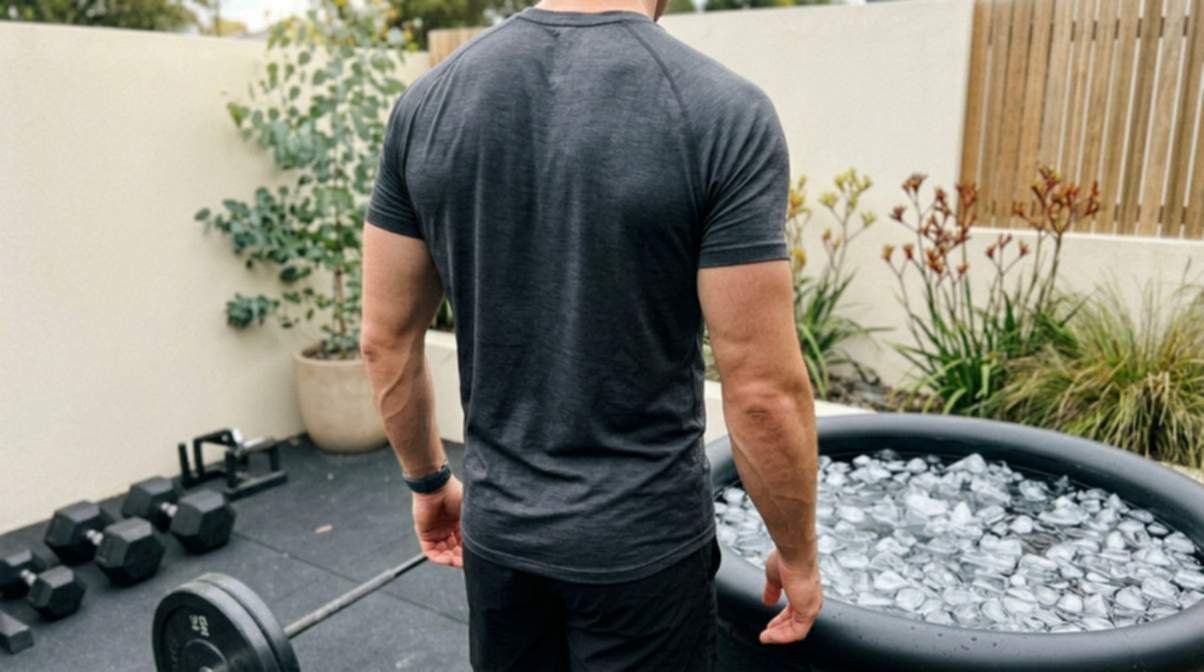
Cold plunging straight after resistance training can blunt hypertrophy. What the meta-analysis found, the mechanism behind it, and the simple timing fix.
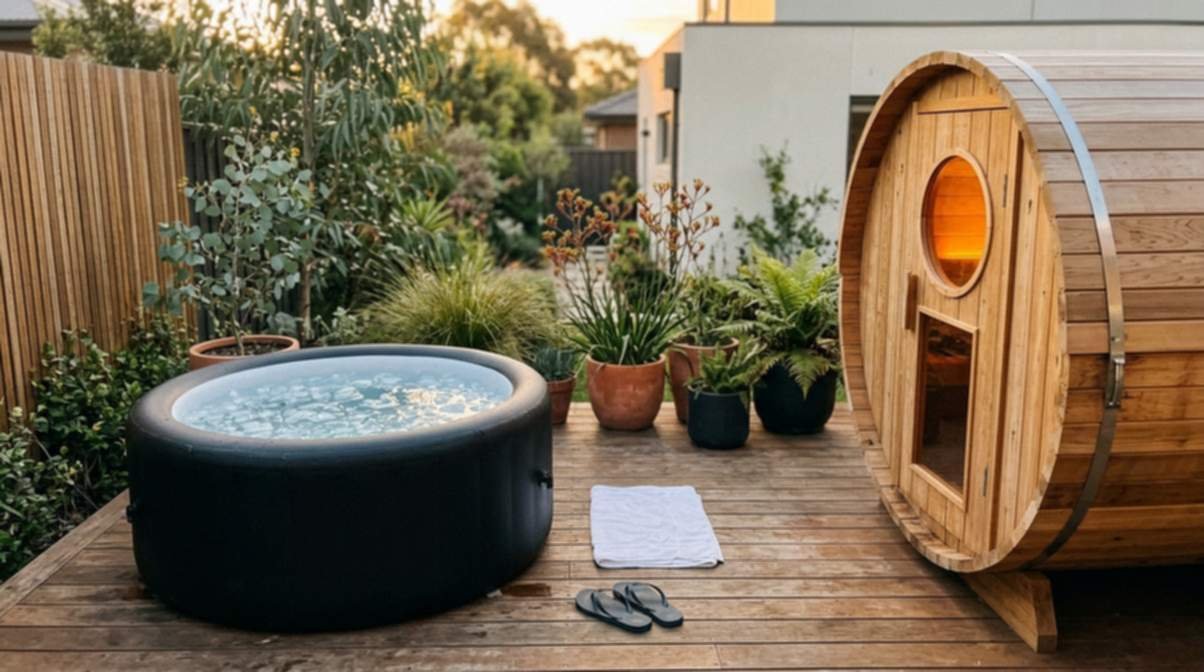
How to run sauna and cold plunge as contrast therapy: heat first, then cold, repeated over two to three rounds, with the durations and temperatures the research uses.
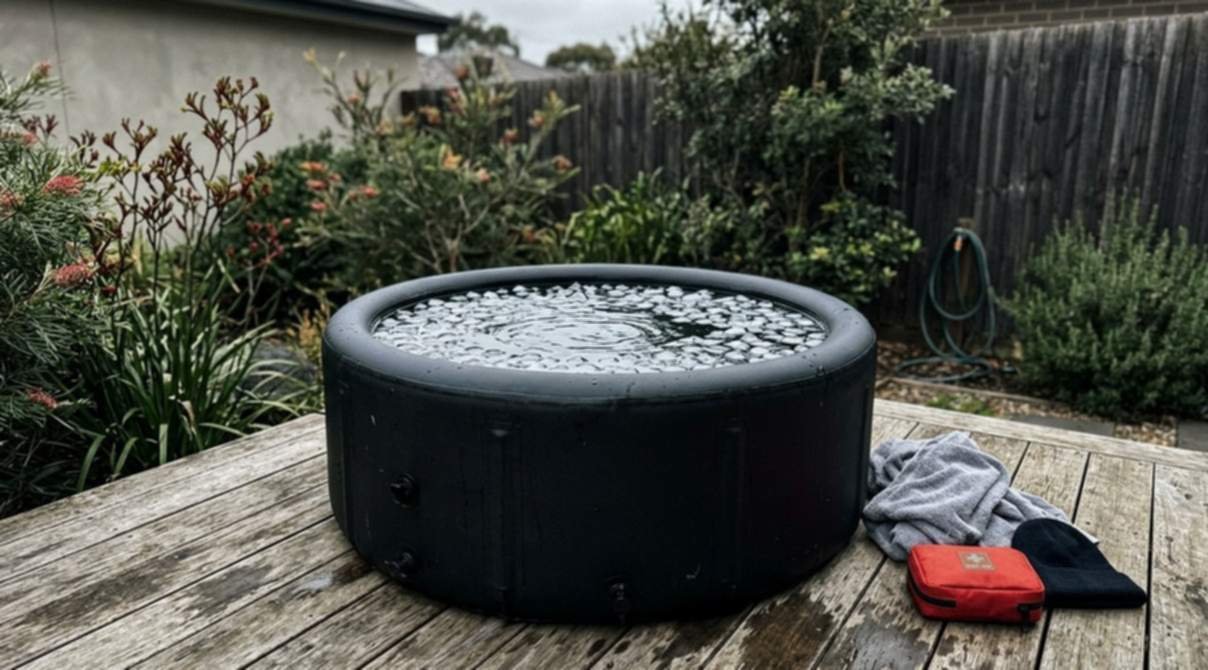
Cold shock, cardiac stress and hypothermia are real risks, but manageable ones. The safety rules that matter, the contraindications to take seriously, and who should talk to a GP first.
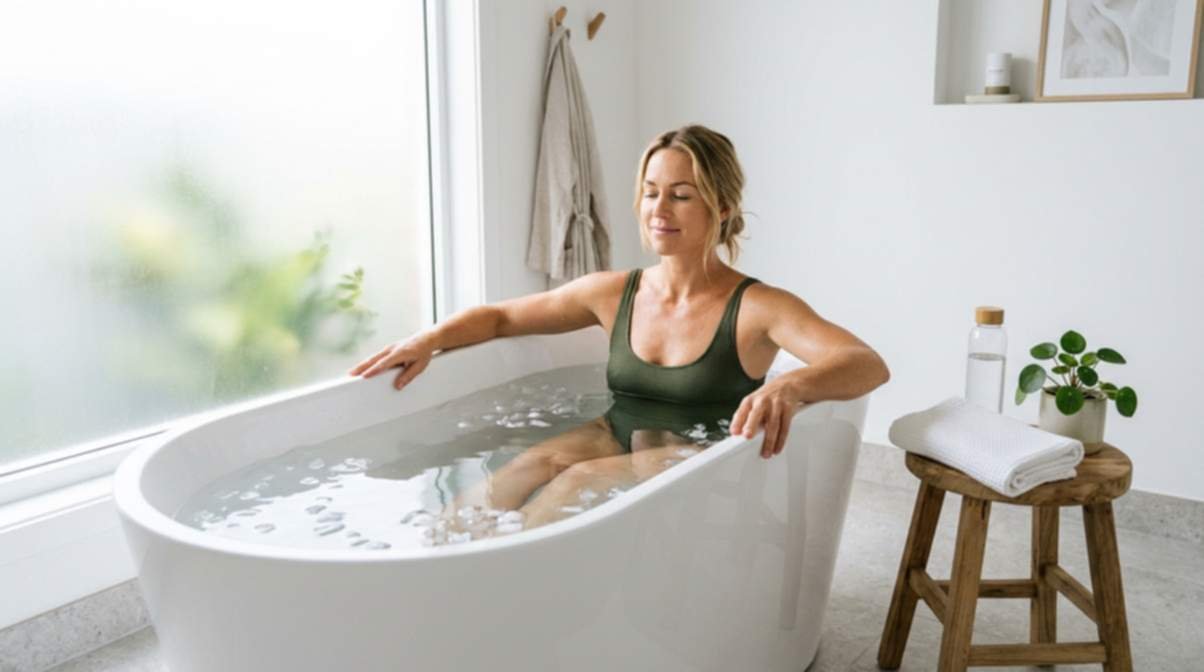
Whether ice baths suit women, covering cooling rate, thermoregulation and cycle timing — and why the standard protocols were mostly built on male participants.
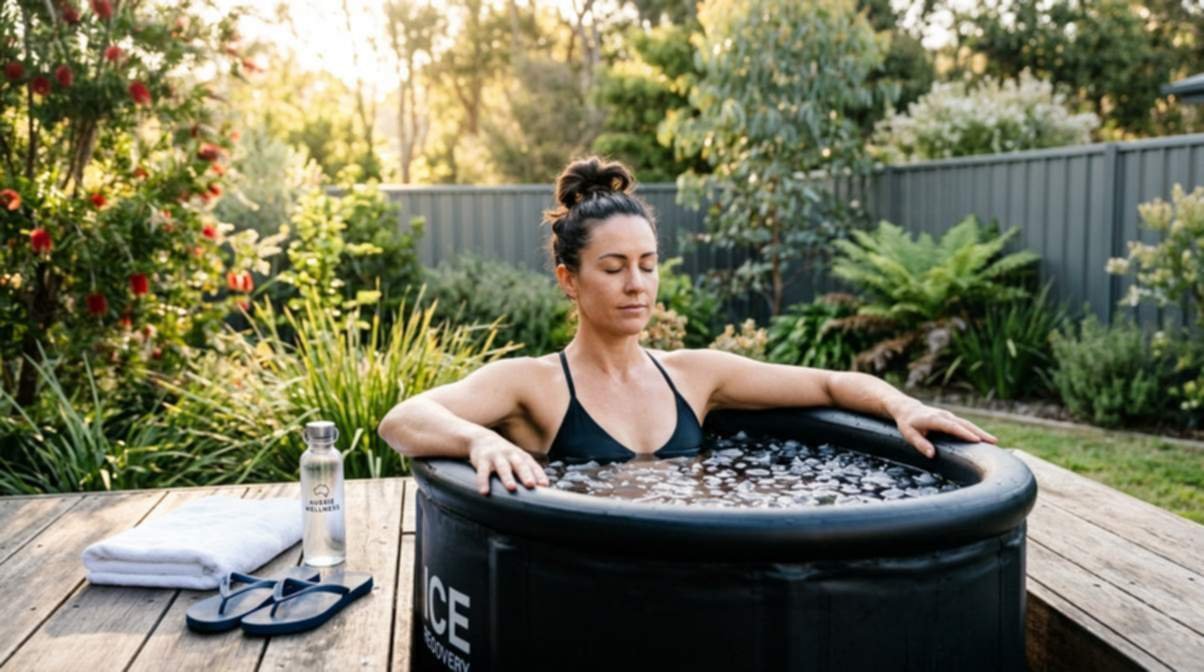
Whether ice baths help with weight loss. Cold exposure does raise energy expenditure, but the effect is small and the reviews don’t show consistent fat loss.