
Ice Bath Breathing Techniques for Beginners
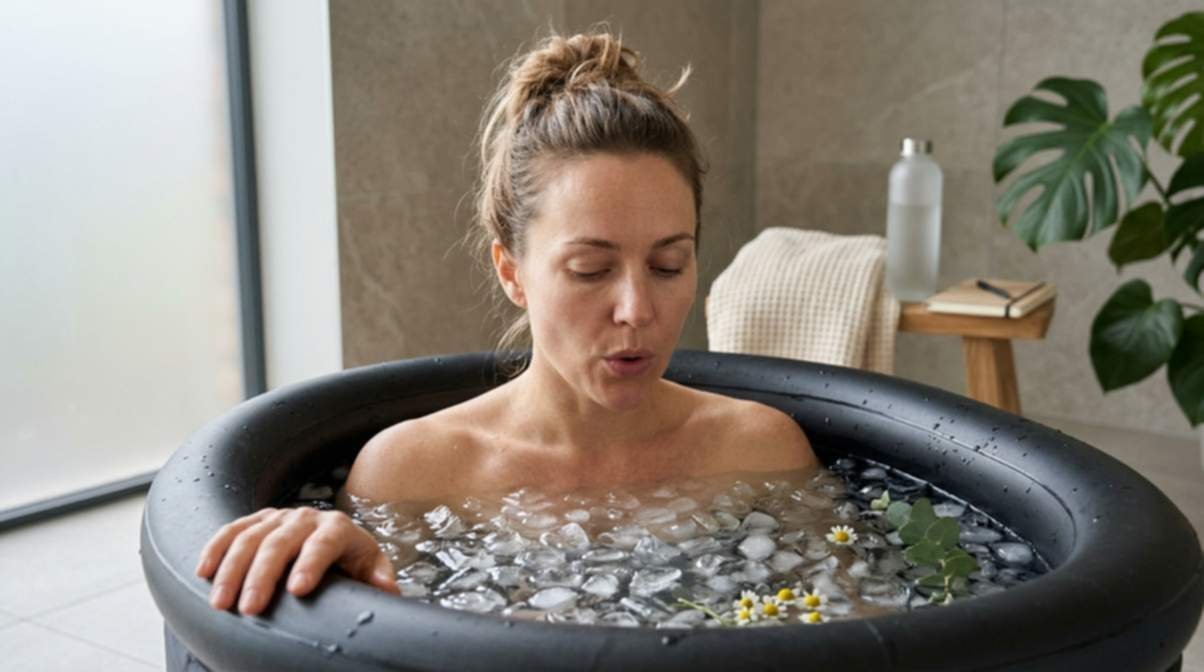
The breathing pattern that gets beginners through the first 90 seconds: slow breaths before entry, longer exhales than inhales, and why you never hold your breath in cold water.
 Bobby Rawat
The breathing pattern that gets beginners through the first 90 seconds: slow breaths before entry, longer exhales than inhales, and why you never hold your breath in cold water.
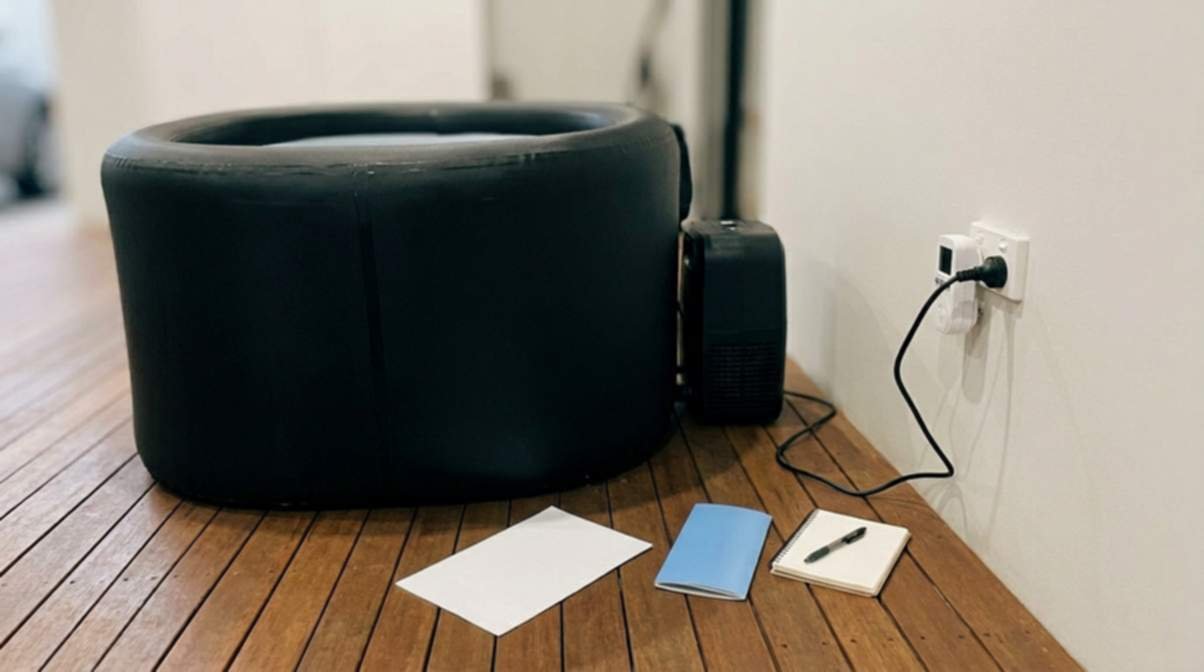
What a home ice bath chiller actually adds to an Australian power bill, worked from real kWh draw and local tariffs rather than a brand’s headline daily figure.
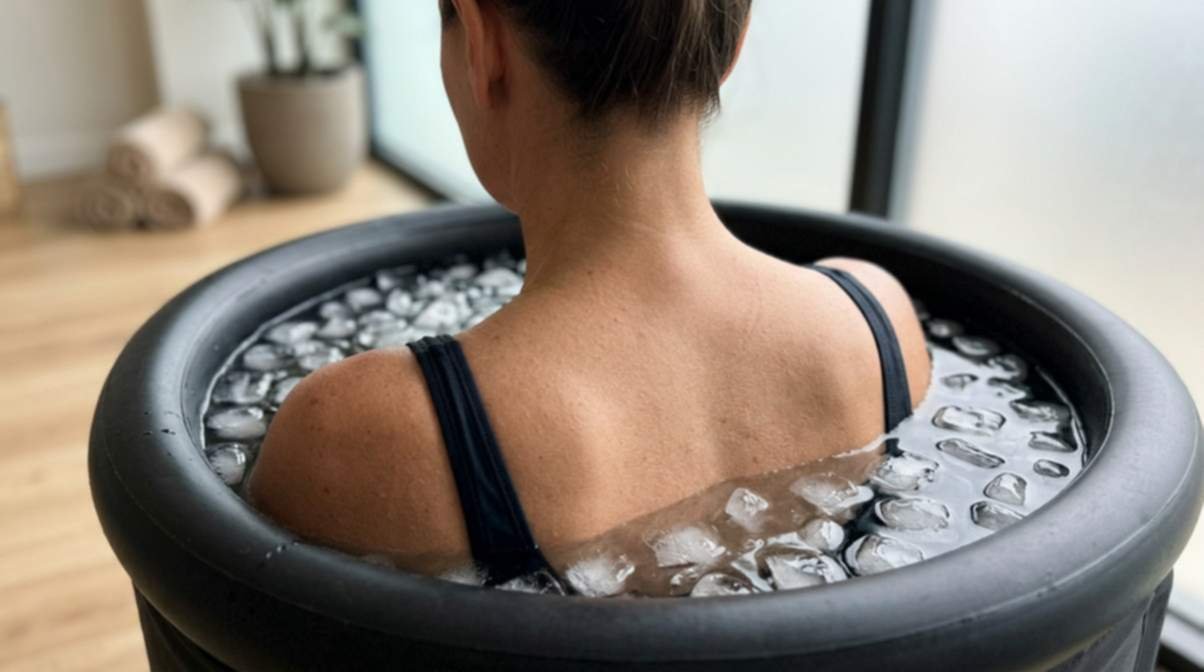
How cold exposure activates brown fat, what that does to calorie burn, and why the effect is real but far smaller than social media suggests.
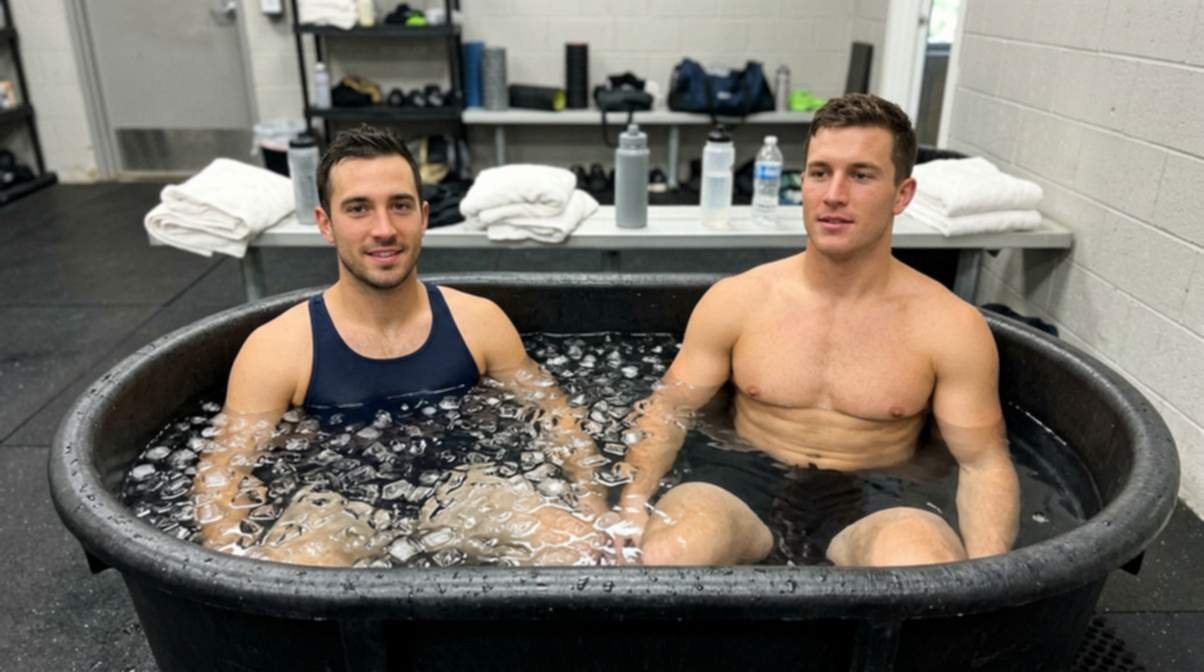
How AFL and NRL clubs use ice baths for match recovery, the temperatures and durations they run, and which parts of that actually transfer to a home setup.
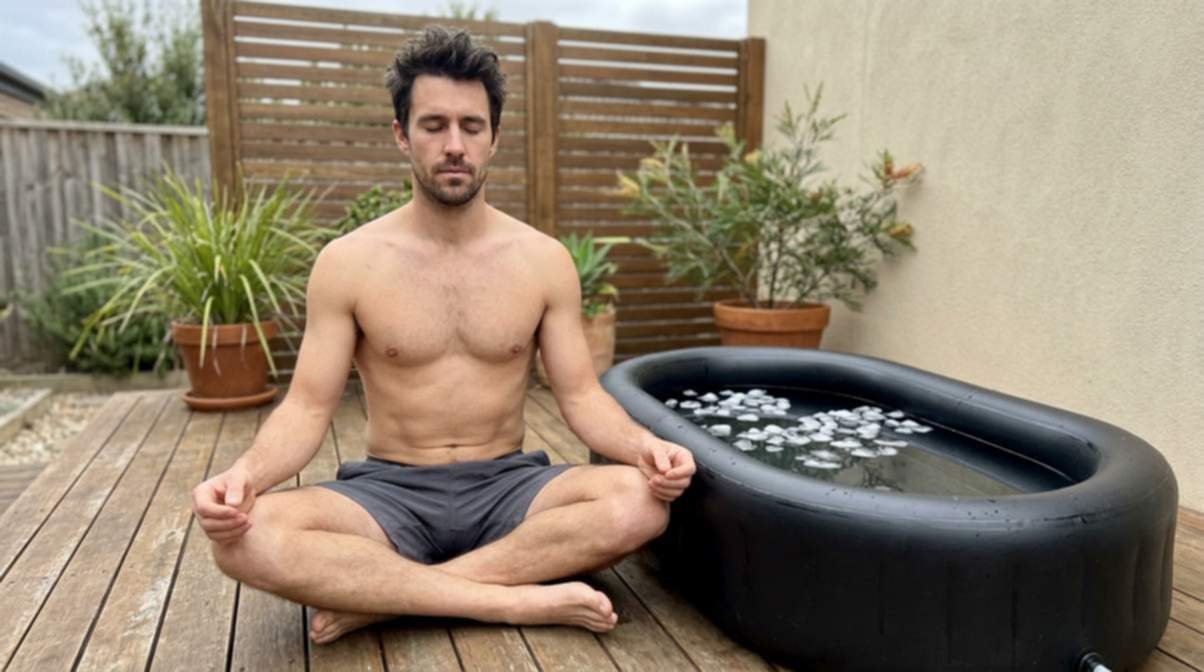
What the Wim Hof Method involves, how the breathing and cold exposure fit together, and what the research does and doesn’t support about it.
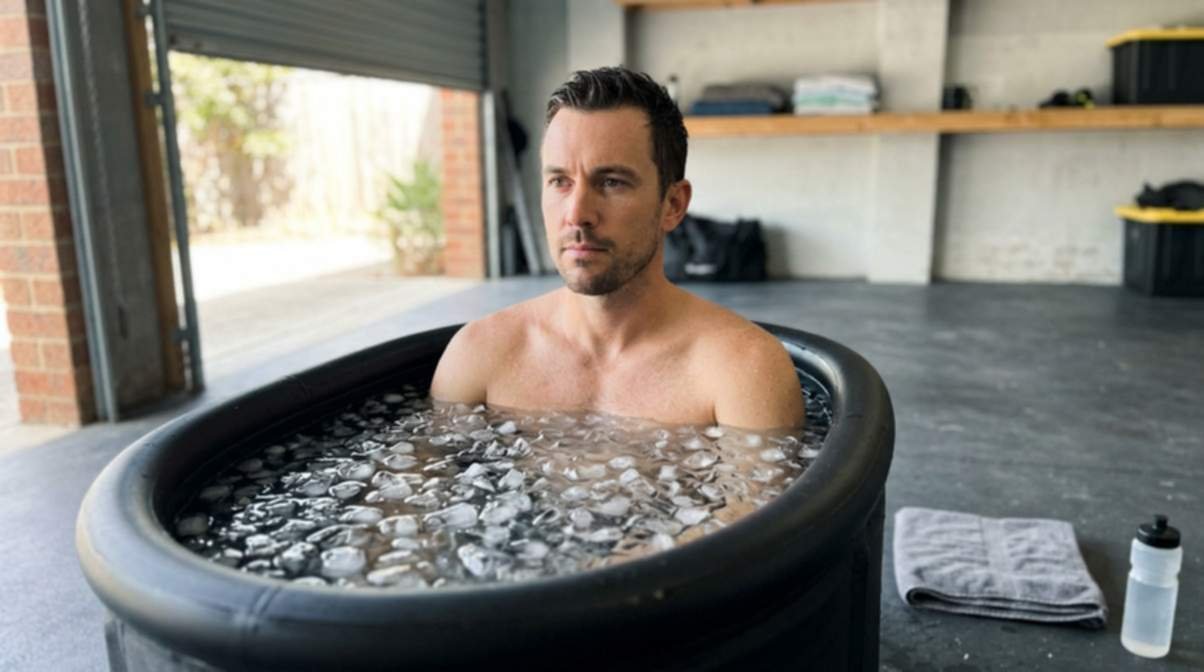
What cold shock proteins like RBM3 and CIRP actually do, why they’re linked to cold adaptation, and why human ice bath research doesn’t support the bigger health claims made for them.
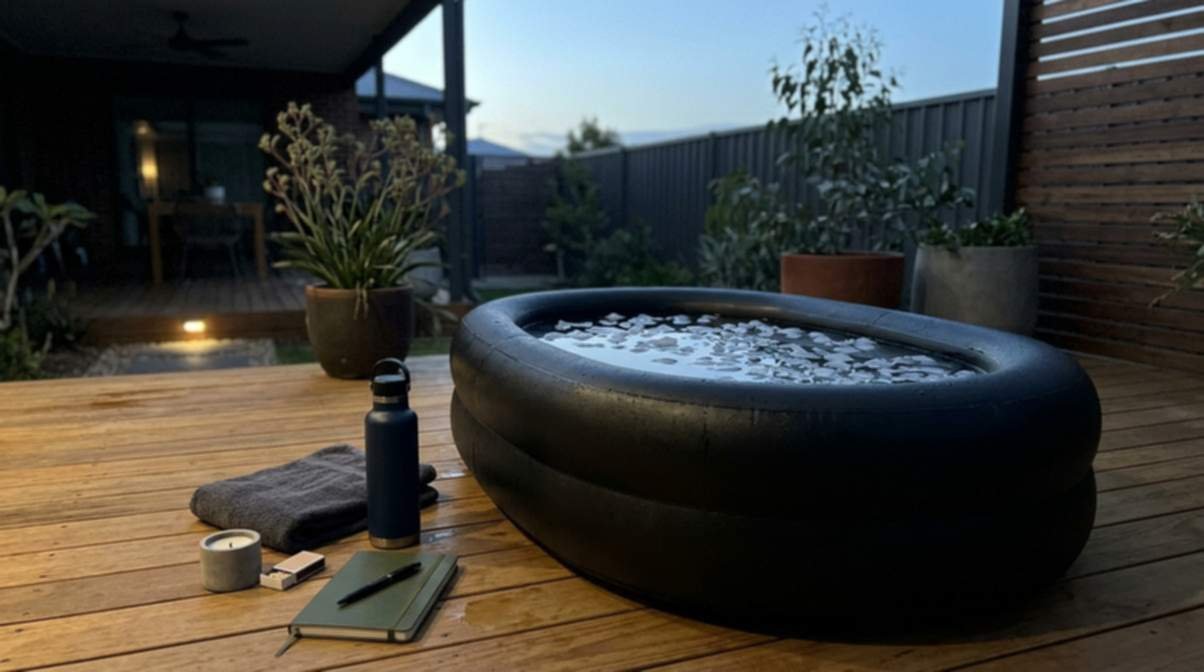
Morning or evening cold plunge, compared on alertness, sleep and recovery. Includes the timing windows and temperatures that suit each goal.
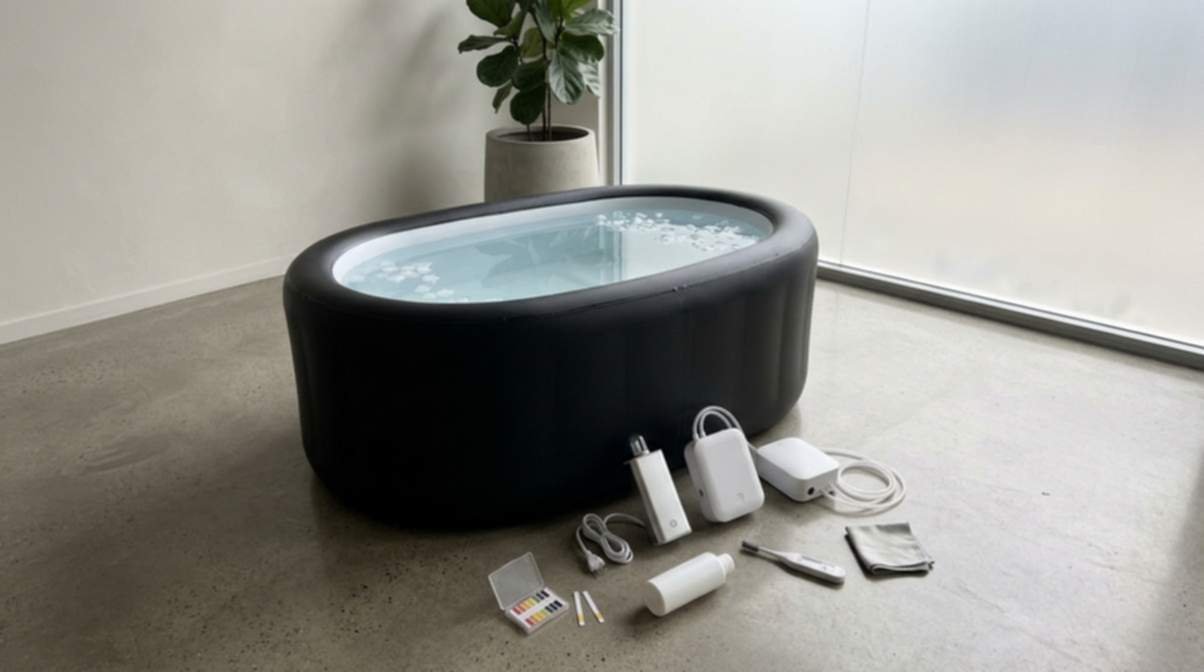
Ozone versus UV-C for keeping cold plunge water clean. UV plus mechanical filtration is simpler for most home tubs; neither leaves a residual sanitiser, so shared tubs still need chlorine or bromine.
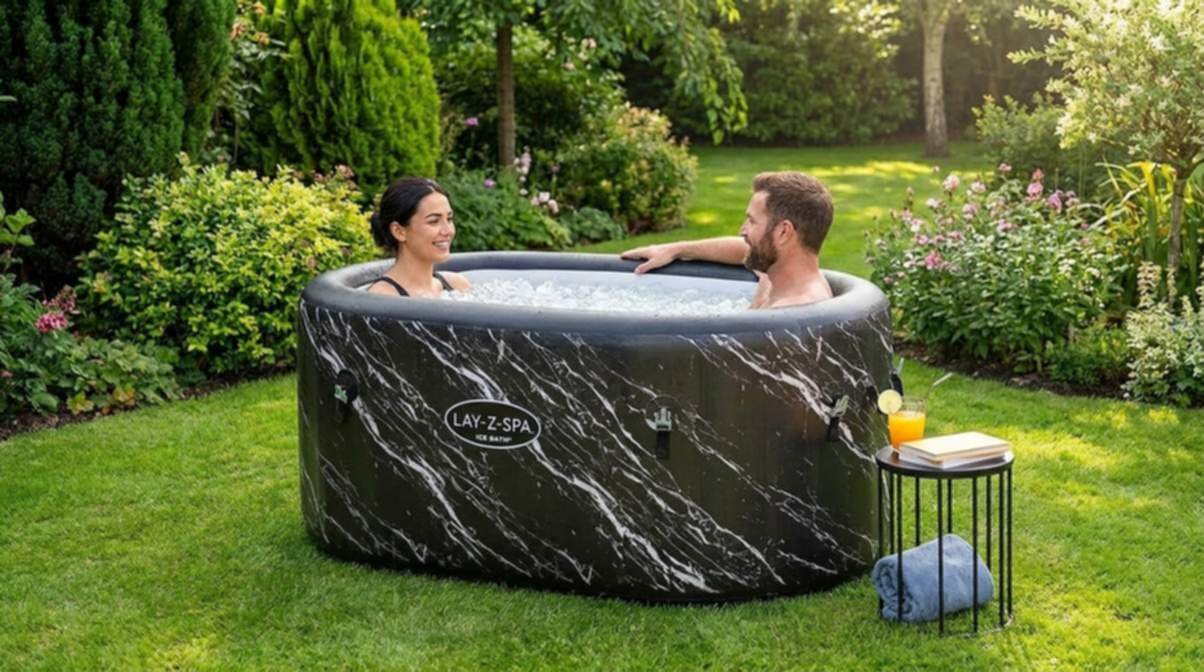
Is alternating hot and cold better than cold alone? Contrast therapy compared against a straight cold plunge on evidence, effort and cost.
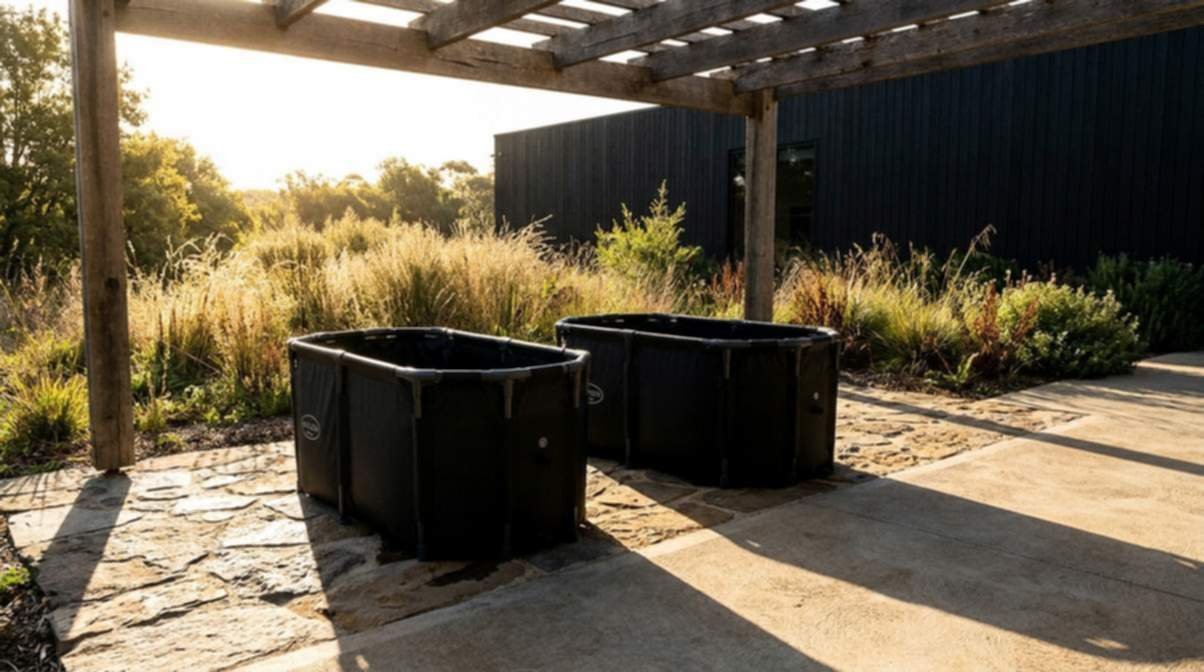
The Lay-Z-Spa Arctic Ice Cold Plunge in Australian conditions. A sensible mid-tier inflatable on paper — but the brand’s after-sales record here is where you need to read carefully.