
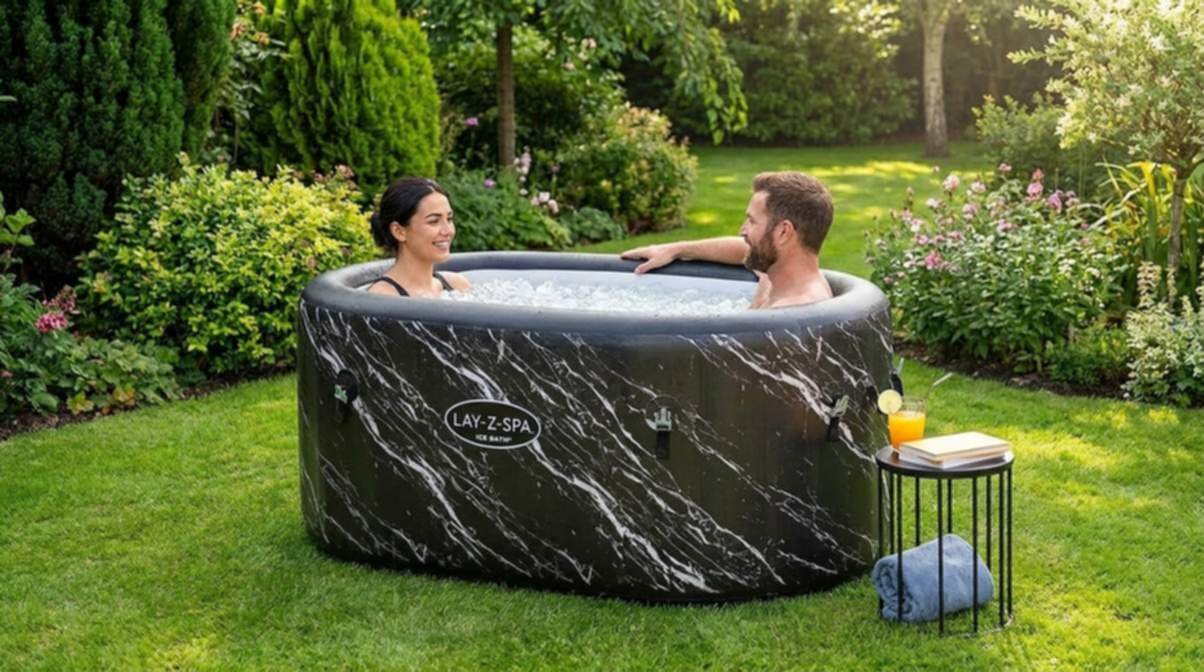
The first cold plunge hits like a hard reset. Your breathing jumps, your skin prickles, and for a few seconds your brain has one job: stay calm. Add a sauna before it and the contrast feels even more dramatic – heavy heat, then sharp cold, then that buzzing after-feel people chase.
That is why contrast therapy vs cold plunge is a fair question. Is hot-cold cycling actually better, or is it just a more expensive, more theatrical version of the same recovery session?
Key takeaway: If your main goal is evidence-backed post-workout soreness relief, cold plunge only currently has the stronger research base: aim for 11-15°C for 10-15 minutes if you are already acclimatised. Contrast therapy – alternating heat and cold – can feel better as a longer recovery ritual, but research has not clearly shown it beats cold water immersion for muscle soreness, strength, power or inflammation.
Here is the honest answer: for recovery evidence, cold plunge only is easier to defend. For relaxation, routine and perceived freshness, contrast therapy can still be useful. If you are building a home setup, start with a reliable cold plunge first, then decide whether a sauna adds enough value for your goals. Our tested comparison of the best ice baths in Australia is the best place to start if the cold side of the setup matters most.
Safety warning – read this before trying either method
Key takeaway: Cold water is a stressor, not a toy. Beginners should start around 10-15°C for 30-90 seconds, keep the head out, avoid breath-holding, and never plunge alone.
Royal Life Saving Society Australia defines cold water immersion as exposure to cold water usually around 10-15°C, and warns that it can trigger shock responses such as hyperventilation, increased heart rate, increased blood pressure, gasping, cramps, panic and hypothermia. Royal Life Saving, AUSactive and SPASA advise screening, acclimatisation, monitored water temperature and supervision where applicable.
- Start warmer than your ego wants. Around 10-15°C is cold enough for most beginners; 4-10°C is advanced and should not be your first target.
- Keep your head and neck out of the water. Do not combine cold plunging with breath-holds or underwater breathing drills.
- Use the never-alone rule. Have another adult nearby, especially during your first sessions or when using open water, a hot tub, sauna or very cold water.
- Speak with a GP first if you are over 50, pregnant, have heart disease, high blood pressure, circulation issues, diabetes, Raynaud’s disease, autoimmune conditions, fainting history or take medication that affects blood pressure or temperature regulation.
- Exit early if you feel chest pain, dizziness, confusion, numbness beyond normal cold discomfort, loss of coordination, wheezing or panic you cannot control.
Quick comparison table
| Goal | Cold plunge only | Contrast therapy | Best choice |
| Post-workout soreness | Strongest direct evidence. 11-15°C for 10-15 min is the classic target. | May help versus rest, but not clearly better than cold plunge only. | Cold plunge only |
| Feeling refreshed | Fast, sharp nervous system jolt. | Bigger ritual effect: heat, cold, repeat. | Depends on preference |
| Strength or hypertrophy goals | Avoid immediately after lifting; wait 4-6+ hours when muscle growth is the priority. | Still includes cold, so use the same timing caution. | Neither immediately after lifting |
| Relaxation | Short and intense. Less relaxing for some people. | Heat phase often feels more calming before the cold. | Contrast therapy |
| Home setup cost | One plunge/tub plus cooling method. | Cold plunge plus sauna/hot bath/space/power. | Cold plunge only |
| Safety complexity | Cold shock risk. | Cold shock plus heat stress and transition risk. | Cold plunge only, if done conservatively |
What is contrast therapy?
Key takeaway: Contrast therapy means alternating heat and cold in one session, usually sauna or hot water followed by a cold plunge. In research, contrast water therapy often means repeated hot-water and cold-water immersions rather than sauna-to-plunge sessions.
Contrast therapy is hot-cold cycling. In a wellness centre, that usually means sauna and cold plunge. In sports research, it more often means contrast water therapy: alternating hot-water and cold-water immersion. The mechanism often gets described as a blood-flow “pump”, because heat encourages blood vessels to widen and cold encourages them to narrow. That explanation is plausible, but the research is not settled enough to treat it as a guaranteed recovery upgrade.
The most relevant review for this topic is Bieuzen, Bleakley and Costello 2013. It defined contrast water therapy as alternating hot and cold water, with cold water at 15°C or below and hot water above 35°C. Across the included studies, total immersion time ranged from 6 to 24 minutes, cold-water phases were usually 1 minute, cold temperatures ranged from 8-15°C, and hot temperatures ranged from 35.5-45°C.
That matters because many modern sauna-and-ice-bath posts act like there is one perfect contrast protocol. There is not. Most protocols are simply different ways to dose heat, cold and time.
What does cold plunge only do best?
Key takeaway: Cold plunge only is best supported for short-term post-exercise soreness relief and perceived recovery, not for every wellness claim attached to ice baths.
Cold plunge only has a cleaner evidence base because more studies have tested cold water immersion directly. A 2016 Sports Medicine review found cold water immersion was slightly better than passive recovery for muscle soreness, with the best results around 11-15°C for 11-15 minutes. The authors also warned that the evidence quality and effect size should be considered.
A newer 2025 network meta-analysis in Frontiers in Physiology looked at 55 randomised controlled trials and found that different cold-water doses worked differently. For soreness, 10-15 minutes at 11-15°C ranked best; for creatine kinase and neuromuscular recovery, 10-15 minutes at 5-10°C ranked best.
For a practical reader, that means cold plunge only is not about going as cold as possible. The useful zone is cold enough to create a response, but not so extreme that you spend the whole session fighting panic. For a deeper timing breakdown, link this section to How Long Should You Stay in an Ice Bath?.
3. What does the research say about contrast therapy vs cold plunge?
Key takeaway: Contrast therapy looks better than doing nothing, but it has not clearly beaten cold plunge only in the best direct comparison evidence.
The cut-the-BS version: contrast therapy is not fake, but a lot of marketing around it is too confident. In the 2013 systematic review, contrast water therapy improved muscle soreness and strength loss compared with passive recovery. But when it was compared against cold water immersion, warm water, compression, active recovery and stretching, there was little evidence that contrast water therapy was the superior option. The authors concluded there seemed to be little difference in recovery outcome between contrast water therapy and other popular recovery interventions.
More specifically, eight studies compared muscle soreness after contrast water therapy and cold water immersion, and pooled data showed no statistical difference at less than 6 hours, 24 hours, 48 hours, 72 hours or 96 hours. Trends in creatine kinase favoured cold water immersion, but the differences did not reach statistical significance. Inflammatory markers also showed no significant differences in the trials that measured them.
That is the key answer for this blog: contrast therapy can be a good session, but if someone claims it is scientifically proven to beat cold plunge only for recovery, ask them to show the direct comparison.
Which one is better for different goals?
Key takeaway: Choose cold plunge only for simple recovery evidence and lower setup cost. Choose contrast therapy if you value the heat phase, longer ritual and relaxation enough to justify the extra time, heat stress and setup cost.
| Use case | Best option | Why | Simple protocol |
| General beginner recovery | Cold plunge only | Fewer variables and easier to dose safely. | 10-15°C, 30-90 sec to start, build slowly. |
| Soreness after hard conditioning or running | Cold plunge only | Better direct evidence for soreness reduction. | 11-15°C for 10-15 min once acclimatised. |
| Relaxation and stress reset | Contrast therapy | The heat phase can make the session feel less harsh and more restorative. | 10-15 min sauna, 1-3 min cold, repeat 1-3 rounds. |
| Hypertrophy or strength training | Neither immediately after lifting | Cold soon after lifting may blunt signals involved in muscle growth. | Wait 4-6+ hours, or use cold on rest/cardio days. |
| Small home setup or lower budget | Cold plunge only | One system, less space, less power and lower maintenance. | Buy the cold setup first, add sauna later if needed. |
Suggested protocols
Key takeaway: Do not copy an athlete or influencer protocol blindly. Use the least extreme dose that gives you the desired result.
Cold plunge only protocol
Beginner: 10-15°C for 30-90 seconds, 1-3 times per week.
Intermediate recovery: 11-15°C for 5-10 minutes, 2-4 times per week.
Evidence-based soreness target: 11-15°C for 10-15 minutes, only once you are calm and acclimatised.
Very cold water, 5-10°C: use shorter sessions, treat it as advanced, and avoid chasing long exposure for bragging rights.
Contrast therapy protocol
Beginner sauna-to-plunge: 8-12 minutes heat, then 30-90 seconds cold, 1-2 rounds.
Intermediate session: 10-15 minutes heat, then 1-3 minutes cold, 2-3 rounds.
Water-based contrast: 2-3 minutes hot water above 35°C, then 1 minute cold water at or below 15°C, repeated for 10-20 minutes total.
Finish cold if your goal is alertness or a crisp post-session feel. Finish neutral or warm if you are using the session close to bedtime and cold leaves you wired.
Timing matters: do not ice your gains
Key takeaway: If muscle growth is the goal, avoid cold plunge or contrast therapy immediately after resistance training. Use it later in the day, on cardio days or on rest days.
Cold plunge fans often talk about recovery as if faster soreness reduction is always better. It is not that simple. Some post-training inflammation and signalling is part of the adaptation process. Roberts et al. 2015 found that cold water immersion after strength training attenuated acute anabolic signalling and long-term muscle adaptations compared with active recovery.
Mayo Clinic Health System gives the same practical warning: daily post-training cold plunges may compromise long-term performance improvements, and resistance-training adaptations may be affected differently from endurance training. Mayo notes that cold water may turn down molecular signalling pathways normally activated after exercise.
Practical rule: if you just lifted for strength or size, wait at least 4-6 hours before cold plunging. If you just did endurance, conditioning or a sport session and need to feel ready tomorrow, cold water makes more sense.
[INTERNAL LINK OPPORTUNITY: Ice Bath After Workout: When to Plunge]
What the science does not support
Key takeaway: Cold and contrast sessions may help with soreness, perceived recovery and short-term stress, but claims about detoxing, guaranteed immunity boosts and superior fat loss are not well supported.
There are three claims worth calling out.
“Contrast therapy detoxes you.” Sweating is not a magic toxin flush. Your liver and kidneys do that job. Sauna can make you sweat, but “detox” claims are usually marketing fluff.
“Cold plunges boost immunity.” A 2025 PLOS ONE review found no significant immediate or 1-hour immune-function effect in meta-analysis. It did report one cold-shower study with 29% fewer sickness absence days, but that is not the same as proving stronger immune function.
“Contrast therapy is proven better than cold plunge.” The best direct contrast-water-therapy review found little evidence of superiority over cold water immersion and other common recovery methods.
For a wider evidence check on cold claims, point readers to Are Ice Baths Good for You?.
Australian-specific considerations
Key takeaway: In Australia, the practical challenge is not just getting cold; it is keeping water cold, clean and safe in hot weather.
Australian homes and gyms deal with a different setup problem from Nordic winter-swimming culture. In summer, ambient heat can push a basic tub well above the useful range quickly, especially in garages, courtyards and exposed patios. That makes insulation, shade, lids, water care and chiller performance more important than they look on a product page.
If you want reliable 10-15°C sessions without buying bags of servo ice every week, look for a setup that can hold temperature in your local climate. IceBathLab explains its rating process in How We Test, including factors such as temperature control, build quality, ease of use and value.
Women may also want to be more thoughtful with timing, cycle phase, heat tolerance and cold tolerance rather than copying a generic male athlete protocol. Link readers to Are Ice Baths Good for Women? for a more specific guide.
contrast therapy or cold plunge only?
Key takeaway: Cold plunge only wins for simple, evidence-backed recovery. Contrast therapy wins when the heat phase improves adherence, relaxation or enjoyment – not because it is clearly proven to outperform cold water alone.
Pick cold plunge only if you want the highest evidence-to-effort ratio. It is easier to dose, easier to set up, cheaper to maintain and better supported for short-term soreness relief.
Pick contrast therapy if the sauna or hot-water phase is the part you will actually look forward to. A good recovery routine is one you can repeat safely. If contrast therapy makes you more consistent, calmer and more willing to slow down, that matters – even if the direct science does not crown it as the winner.
Just do not pretend more extreme is more effective. Whether you choose cold plunge only or hot-cold cycling, start conservatively, track how you feel, and use the protocol that supports your training rather than stealing from it.
FAQs
Shop Tubs, Chillers And Accessories
Building a contrast therapy setup at home? Our storefront covers ice baths, chillers, thermometers and accessories worth comparing.
Is contrast therapy better than cold plunge?
Based on the best direct comparison evidence, no. The 2013 systematic review by Bieuzen, Bleakley and Costello found no significant difference in muscle soreness, strength loss, creatine kinase or inflammatory markers between contrast water therapy and cold water immersion. Contrast therapy may feel more enjoyable or relaxing, but it is not scientifically proven to be a superior recovery tool.
What is the difference between contrast therapy and a cold plunge?
A cold plunge is immersion in cold water only, typically 15°C or below. Contrast therapy alternates between heat (e.g., sauna or hot water above 35°C) and cold in a single session. The main difference is the inclusion of a heat phase, which may influence the subjective experience and perceived recovery, but not necessarily the objective recovery outcomes.
Should I sauna before or after a cold plunge?
For contrast therapy, the typical order is heat first, then cold. This sequence (sauna → cold plunge) is standard in wellness settings. Some people prefer to finish with cold for an alertness boost, while others may finish neutral or warm if using the session close to bedtime. There is no single “correct” order, but starting with heat is more common.
How long should you stay in a cold plunge for contrast therapy?
In research protocols, cold phases during contrast water therapy are often around 1 minute. For beginner sauna-to-plunge sessions, aim for 30-90 seconds in the cold. As you acclimatise, you can extend to 1-3 minutes. The total session usually involves 1-3 rounds of heat and cold.
What temperature should a cold plunge be?
For recovery evidence, 11-15°C is the most supported range. Beginners should start at 10-15°C. Advanced users may go to 5-10°C, but this is not necessary for benefits and increases risk. The key is consistency and acclimatisation, not extreme cold.
Is contrast therapy good for muscle recovery?
It is better than doing nothing (passive recovery), but not clearly better than cold water immersion alone. Contrast therapy can reduce muscle soreness compared to rest, but the direct comparison with cold plunge shows little difference. If you enjoy the heat phase, it may support adherence to a recovery routine.
Can I do contrast therapy every day?
It depends on your goals and tolerance. Daily contrast therapy may be excessive for recovery and could interfere with strength-training adaptations if done immediately after lifting. For general wellness, 2-4 sessions per week is a common frequency. Listen to your body and consider taking rest days.
Should I cold plunge after lifting weights?
Not immediately. Research suggests cold water immersion soon after resistance training may blunt anabolic signalling and long-term muscle growth. If hypertrophy or strength is your goal, wait at least 4-6 hours after lifting before cold plunging, or use it on rest or cardio days.
Does contrast therapy improve circulation?
The “pump” theory is plausible: heat causes vasodilation (widening of blood vessels), cold causes vasoconstriction (narrowing). Alternating may stimulate blood flow. However, direct evidence that this translates to superior recovery or health outcomes compared to cold alone is limited.
Who should avoid cold plunge or contrast therapy?
People with cardiovascular conditions, uncontrolled high blood pressure, Raynaud’s disease, cold urticaria, open wounds, or who are pregnant should avoid it. Those over 50 or on blood pressure medication should consult a GP first. Never plunge alone, especially as a beginner.
Do I need a sauna for contrast therapy?
No. While sauna is common, contrast water therapy (alternating hot and cold water immersion) is the research standard. At home, a hot bath or shower can serve as the heat phase. The principle is alternating temperatures, not necessarily requiring a dedicated sauna.
What is better for home recovery: ice bath or sauna and ice bath?
For most people starting a home setup, an ice bath (cold plunge only) is the better first investment. It is cheaper, simpler, takes less space and power, and has stronger direct evidence for recovery. You can always add a sauna later if you find you want the heat phase for relaxation or enjoyment.
Sources
Medical disclaimer This guide is for general informational purposes only and is not medical advice. Speak with a qualified health professional before starting cold water immersion, sauna or contrast therapy, especially if you have a medical condition or are over 50.
