
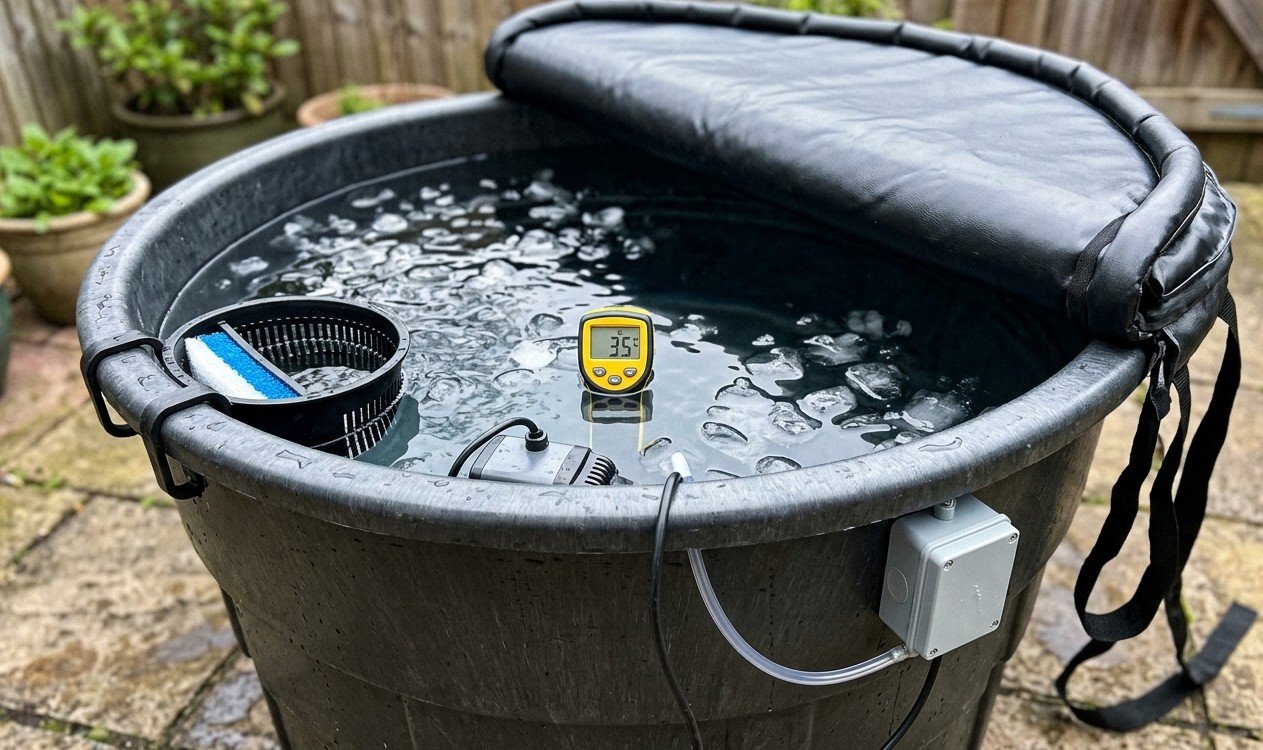
Five accessories decide whether a home ice bath is still being used in month three: a thermometer you trust, filtration, circulation, sanitation, and an insulated cover. In roughly that order. Everything else is comfort.
Ice bath accessories are the parts that keep the water cold, clean and measurable between sessions. They are not the tub. A $50 inflatable tub with a floating thermometer and a pre-filter attached will stay in use longer than a $900 tub with nothing on it, because the thing that ends most cold plunge habits is not the cold. It is lifting the cover in week three and finding water that smells.
Australian conditions change the order. High UV, warm mains water and a long summer mean heat gets in and organic load builds faster here than in most of the advice written for the northern hemisphere. Sunscreen is the specific local problem: almost nobody gets into a backyard plunge without it, and it forms a surface film that plain cartridge filtration handles poorly. That moves a cover and surface filtration up the list, and pushes the nice-to-haves down.
What follows is category by category: what each accessory does, the specification that actually matters, and the trigger that tells you it is time to buy one.
The short answer
Buy in this order: (1) a thermometer that lives in the water, (2) a pre-filter and a surface skimmer if water stays in the tub between sessions, (3) an insulated, tub-specific cover, (4) a circulation pump once the tub is deep enough that top and bottom disagree, (5) ozone or another sanitiser once filtration alone stops keeping up, which for most regular users is around the two-month mark. Steps, robes and mats are comfort, not function.
What ice bath accessories do you actually need?
Most people buy in the wrong order. They start with the comfort gear and end up with a green tub and a thermometer they do not believe. Each accessory below has a condition attached, and if the condition does not apply to you yet, you do not need the accessory yet.
- Thermometer. Buy first, always. Without a temperature you trust, every other decision is guesswork and you cannot tell whether you are plunging at 8°C or 15°C.
- Pre-filter and surface skimmer. Buy as soon as you leave water in the tub between sessions rather than draining after every use.
- Insulated cover. Buy immediately if your tub did not come with one. Direct sun is the single largest heat input in a backyard setup.
- Circulation pump. Buy when the tub is deep enough to stratify, roughly 60cm of water or more, or when your thermometer reading moves depending on where it floats.
- Sanitation, ozone or chemical. Buy when you are plunging often enough that filtration alone stops keeping the water clear, typically after six to eight weeks of regular use.
- Steps, mats and robes. Comfort and safety, not water management. Worth having, never worth buying before the five above. A step is the cheapest way to stop puncturing a tub floor climbing out.
Thermometers: the one accessory nobody should skip
A thermometer is the only accessory that changes what you know rather than what the water does. Buy it before anything else.
Three formats exist and they solve different problems. A floating dial sits in the water permanently, needs no battery, and reads the layer your body is actually in. A wireless digital unit puts a probe in the tub and the display somewhere dry, so you can check the temperature without lifting the cover or fishing anything out, which matters more than it sounds when the cover is the thing keeping the heat out. An infrared gun gives an instant surface read without touching the water, which is useful for a quick check but is not a substitute for something submerged, because it measures the surface skin rather than the water at chest depth.
The specification that matters is not accuracy to a tenth of a degree. It is whether the thing survives being in cold water permanently, whether you can read it while you are in the tub, and whether it tells you the temperature at the depth your torso occupies rather than the top two centimetres. Buy on format and durability, not on the decimal place.
One warning worth taking seriously: do not judge these by format alone. Powered and unpowered units both range from excellent to junk, and there is no rule that says simple is more reliable or that wireless always fails. It comes down to the individual product. Our ice bath thermometer guide goes model by model.
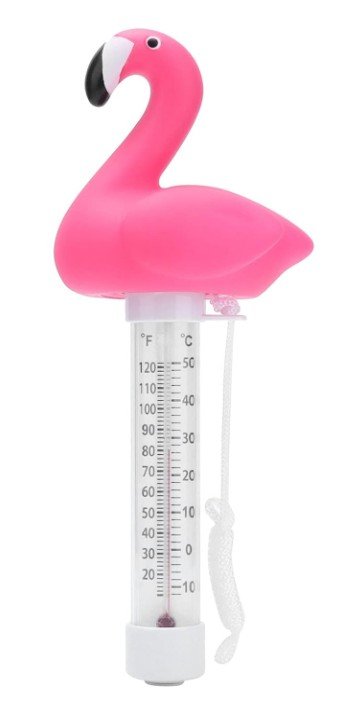
TEMPERATURE
Jiawu Floating Dial Thermometer
No battery, nothing to fail, and it lives in the tub permanently. Reads the water your body is sitting in rather than the surface. The default first purchase.
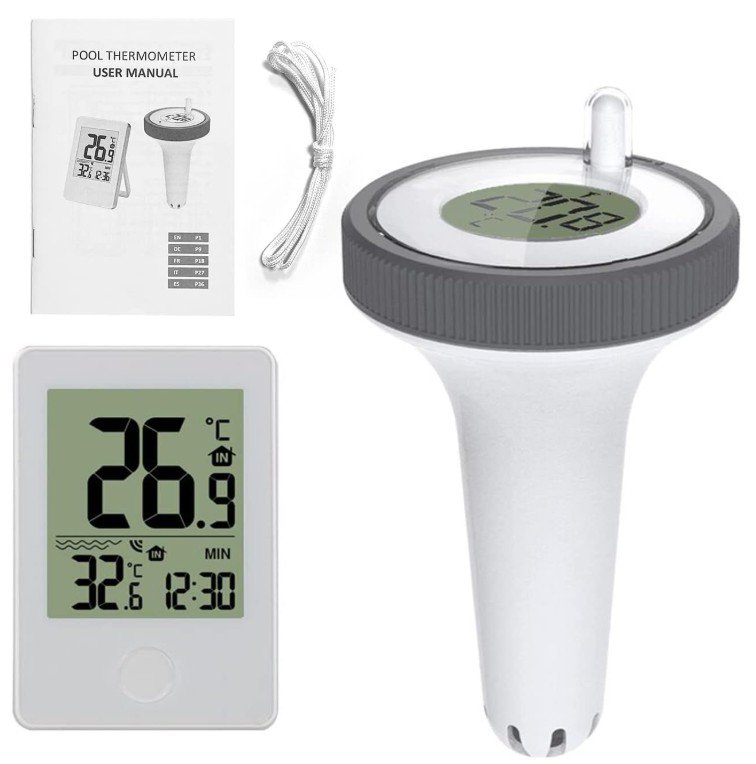
TEMPERATURE, WIRELESS
MEIJUN Wireless Thermometer
Probe in the tub, display where you can see it. Lets you check the water without opening the cover, which is the point of having a cover. Pick this if your tub lives outdoors under a lid.
Filtration: the accessory that decides whether you keep using the tub
The most common reason Australians stop cold plunging at home is water quality, not temperature. Untreated water in a warm climate goes cloudy in about a week and unpleasant inside two or three.
There are three separate jobs here and one product will not do all of them.
Coarse debris is leaf litter, grass, pollen and insects. A pre-filter catches it before it reaches anything finer, which is the difference between changing a cartridge monthly and changing it weekly. Surface film is sunscreen, moisturiser and body oil, and it floats, which means a cartridge mounted below the waterline never sees most of it. That needs a skimmer or absorber that works at the surface. Fine particulate is everything you can see suspended in the water when you look down, and that is a cartridge job, rated in microns.
Micron rating is the number that matters and lower is finer. Anything around 20 microns removes visible particulate. Finer than that clogs faster and needs a pump with enough head to push through it, so pairing a very fine cartridge with a weak pump gives you a filter that stops flowing. If you are choosing a cartridge and a pump together, our guide to ice bath filters and pumps covers the pairing.
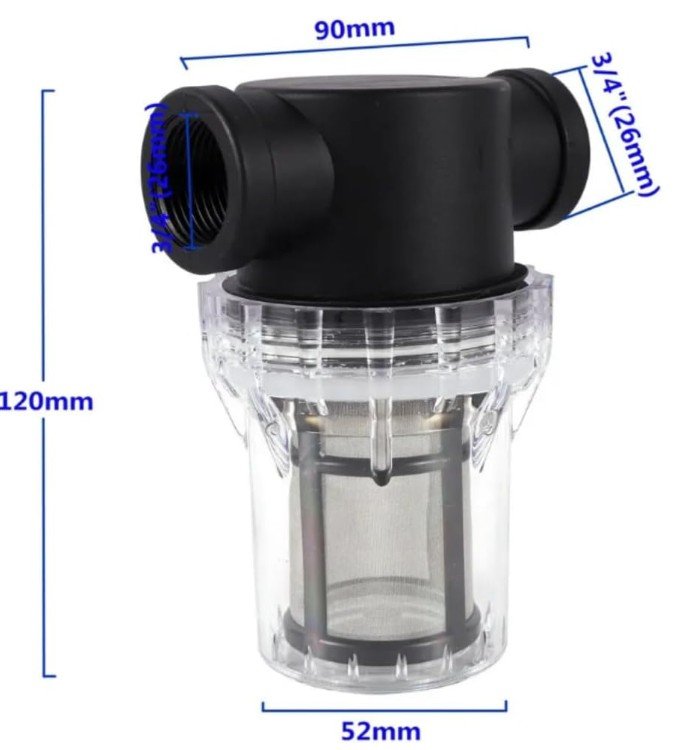
FILTRATION
Cold Plunge Pre-Filter
Catches leaves, grit and pollen before they reach your cartridge or pump. The cheapest way to multiply how long a fine filter lasts. Buy this the day you decide to leave water in the tub.
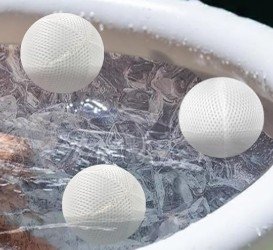
SURFACE OILS
Scum Absorber
Floats and lifts the sunscreen and body-oil film off the surface, which a submerged cartridge never reaches. The most underrated accessory in an Australian summer, where nobody plunges without sunscreen on.
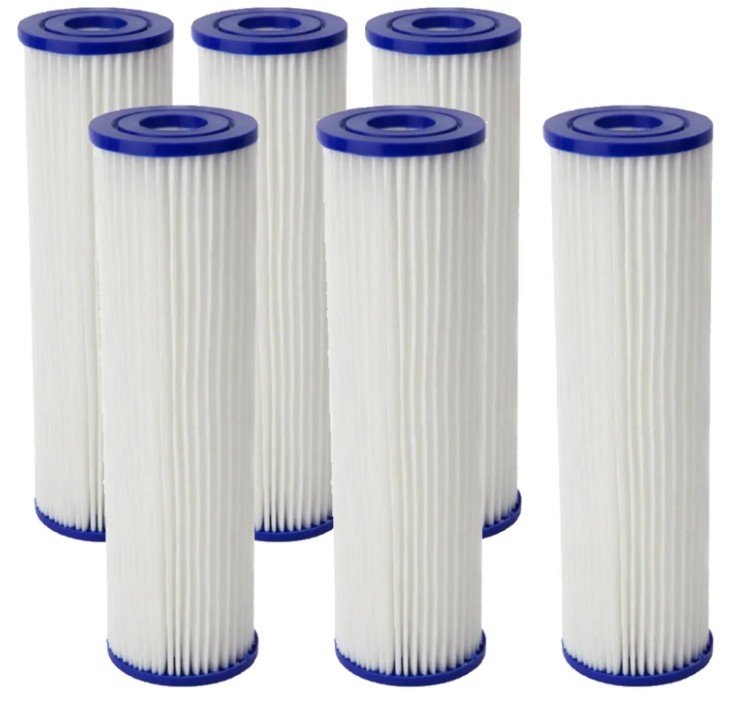
FINE FILTRATION
20-Micron Filter Cartridges, 6 Pack
Twenty microns is fine enough to clear visible particulate without choking a small pump. A six pack means you swap rather than trying to rescue a clogged cartridge, which never really works.
Filtration slows water going off. It does not sterilise. For the chemistry side, and how often water actually needs replacing, keeping cold plunge water clean is the deeper reference.
Circulation and sanitation
Still water in a deep tub stratifies. Your feet sit in the coldest layer, your chest in something several degrees warmer, and your thermometer reports whichever layer it happens to be floating in. A circulation pump fixes the reading and the experience at once, and it doubles as the path that pushes water through your filter. If your tub holds less than about 60cm of water, you can skip it.
The specification to check is flow rate against the resistance of your filter, plus whether the pump is rated for continuous outdoor use. An undersized pump paired with a fine cartridge is the most common way people end up with a filter that has quietly stopped moving water.
Sanitation is the step after filtration, not an alternative to it. Ozone injected into the return line breaks down organic load without the chemical smell that makes a chlorinated tub unpleasant in an enclosed space like a garage, and it leaves no residue on skin. The trade-off is that ozone works while the system is running and does not leave a lasting residual the way chlorine does, so it suits tubs with a pump on a timer rather than a static tub you top up by hand.
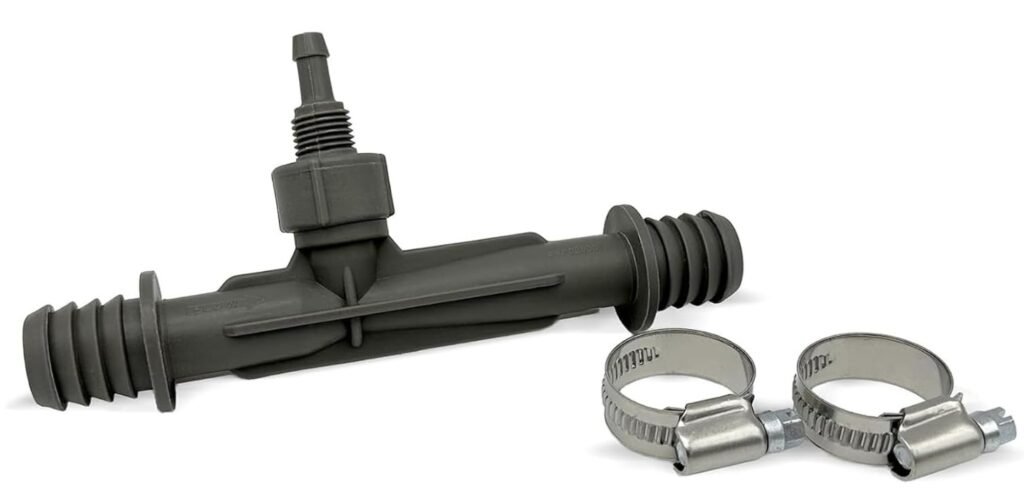
SANITATION
Ozone Venturi Injector
Draws ozone into the return line so it mixes through the whole tub rather than sitting at one point. No chlorine smell and nothing left on your skin. Needs a running pump to do its job.
Choosing between ozone and UV is a real decision with different failure modes, and we compared them directly in ozone vs UV for cold plunge water treatment.
Covers: buy on specification, because that is all there is
A cover has the biggest gap between how dull it sounds and how much it does. It keeps debris out, slows warming between sessions, cuts evaporation, and blocks direct sun, which is the largest single heat input most backyard setups face. In an Australian summer a covered tub and an uncovered tub are not the same product.
It is also the category with almost no durable owner feedback anywhere, because it is a fast-moving market of near-identical listings from sellers who rotate stock before anything accumulates a track record. So we are not going to name one. Buy on specification instead, and there are four things to check:
- Match the shape and diameter to your specific tub, not to a generic size. Fit is the most common complaint in this category worldwide.
- Insulated, not a plain dust sheet. A single-layer cover keeps leaves out and does nothing about heat. Look for a foam or air-filled core.
- A fastening system that survives wind. Drawstrings and clips beat a loose lay-on cover in any exposed backyard.
- UV-stable outer material. Australian sun destroys cheap coated fabric inside a season, and a cover that has gone brittle is worse than none because it sheds flakes into the water.
One more thing worth knowing: most covers supplied with cheap inflatable tubs sit flat on top with no skirt down the sides, so debris blows in around the edge. If your tub came with one of those, it is a debris cover rather than an insulated lid. Our Weisshorn ice bath review covers that failure in detail on one popular range.
What to buy first
Starting from nothing, the shortest path to a setup that survives its first Australian summer is three things: a floating thermometer you trust, a pre-filter, and a cover that actually fits your tub. Together those cost less than most single premium accessories, and they address the three things that genuinely end cold plunge habits. Not knowing your temperature. Water going off. Heat getting in.
Add a surface absorber next if anyone using the tub wears sunscreen, which in this country is everyone. Add circulation when the top and bottom of the tub disagree. Add sanitation when filtration alone stops keeping up.
And if the accessory you keep circling back to is a chiller, that is a different conversation with a different budget. Our ice bath chiller roundup covers what Australia actually stocks, and the wider best ice baths guide covers tubs that come with some of this built in.
How we evaluate accessories
We do not have hands-on units for the accessories on this page, and we are not going to imply otherwise. What we work from is the published specification, what each component physically does in a water system, and the failure patterns that show up repeatedly in owner reports across the category.
Where a category has no feedback worth reading, as with covers, we say so and describe what to check yourself rather than picking something at random. Where a product type has a genuine trade-off, like ozone needing a running pump, we state it rather than listing it as a pure benefit. Nothing on this page is ranked by how much it pays us, and several of the most useful items here are also the cheapest.
Frequently Asked Questions
What accessories do you need for an ice bath?
Five: a thermometer, filtration, an insulated cover, circulation and sanitation. Buy the thermometer first, because without a temperature you trust every other decision is guesswork. Add a pre-filter and a cover next. Circulation and sanitation only become necessary once the tub is deep enough to stratify or you are plunging often enough that filtration stops keeping up.
What is the most important ice bath accessory?
A thermometer that lives in the water. It is the only accessory that changes what you know rather than what the water does, and it is what tells you whether you are plunging at 8°C or 15°C. A floating dial needs no battery and reads the layer your body is actually sitting in.
Do you need a filter for an ice bath?
Only if you leave water in the tub between sessions. If you drain after every use, you do not. If the water stays in, filtration is the cheapest thing that stops it going off, and water quality is the most common reason people stop using a home ice bath in the first place.
What micron filter is best for a cold plunge?
Around 20 microns is the practical sweet spot. It is fine enough to clear visible particulate but not so fine that it clogs quickly or needs more pump pressure than a small circulation pump can provide. Pairing a very fine cartridge with an undersized pump gives you a filter that stops flowing.
Do I need a circulation pump for an ice bath?
Only if the tub is deep, roughly 60cm of water or more. Still water stratifies into layers, so your feet sit colder than your chest and the thermometer reads whichever layer it is floating in. A pump evens that out and doubles as the path that pushes water through a filter.
Is ozone or chlorine better for a cold plunge?
Ozone breaks down organic load without a chemical smell and leaves nothing on your skin, which suits tubs kept in enclosed spaces like garages. The trade-off is that it only works while the pump is running and leaves no lasting residual, so it suits a tub with a pump on a timer rather than a static tub topped up by hand.
Is an ice bath cover worth it?
Yes, and it is usually the most underrated purchase. A cover keeps debris out, cuts evaporation and blocks direct sun, which is the largest single heat input in most backyard setups. Look for an insulated core rather than a single-layer dust sheet, a fastening system that survives wind, and a UV-stable outer fabric.
Disclaimer: Always consult a healthcare professional before starting cold water therapy, particularly if you have cardiovascular conditions or other health concerns.
